
Exploring the Origins of Monk Fruit
Where Does Monk Fruit Come From? The Sweet Truth!
If you’ve ever bitten into a decadent dessert made without sugar and were instantly impressed by the sweet, natural taste, there’s a good chance it had a little help from monk fruit. But where does this sweetness originate? Let’s take a quick adventure through time and across the globe to uncover the roots of this fascinating little fruit.
Monk Fruit Origins: A Fruit Fit for Immortals
Monk fruit, also known as Luo Han Guo, grows natively in the misty mountains of southern China and northern Thailand—specifically in the remote Guangxi and Guangdong provinces. The fruit has been cultivated and cherished here for centuries, named after the Buddhist monks who were believed to be the first to grow and eat it. These monks admired the fruit not just for its sweetness but for its purported health benefits and longevity-enhancing properties. Talk about a holy grail of sweetness.
Why It’s Not All Over the Place
Despite its ancient background and delightful flavors, you probably won't find monk fruit growing in your backyard. It’s a bit high-maintenance. Monk fruit plants only thrive in very specific sub-tropical climates with humid, misty, and mountainous conditions—not exactly the typical backyard garden setup. These environmental demands are why over 90% of the world’s monk fruit comes directly from carefully tended farms in southern China.
From Fruit to Sweetener: A Modern Twist
Monk fruit itself is small and round with a bitter rind and a surprisingly sweet pulp. But here’s the catch—the natural sugars in monk fruit (fructose and glucose) aren’t responsible for its intense sweetness. Instead, the magic comes from *mogrosides*, a group of antioxidants found in the flesh of the fruit. During processing, it's these mogrosides that are extracted, purified, and turned into the calorie-free sweetener people around the world use today.
MonkVee Means Monk Fruit, Perfected
At MonkVee, we go straight to the source—partnering with local growers in China who’ve spent generations perfecting monk fruit cultivation. Our monk fruit-based sweeteners are made using just the cleanest parts of the fruit, with absolutely nothing artificial added. Whether it’s our pure monk fruit extract or our 1:1 Golden and Original blends, we’re all about real fruit, real sweet, no compromises.
TL;DR
- Monk fruit originates in southern China and northern Thailand.
- Named after Buddhist monks who first cultivated it centuries ago.
- Only the mogrosides in monk fruit are used to make zero-calorie sweetener.
- It's naturally 150-300 times sweeter than sugar, depending on the product.
- MonkVee sources its monk fruit directly from traditional, ethical farms.
Quick Buyer Checklist
- For sugar-free baking AND 1:1 convenience? Choose MonkVee Golden or Original Monk Fruit (with natural erythritol).
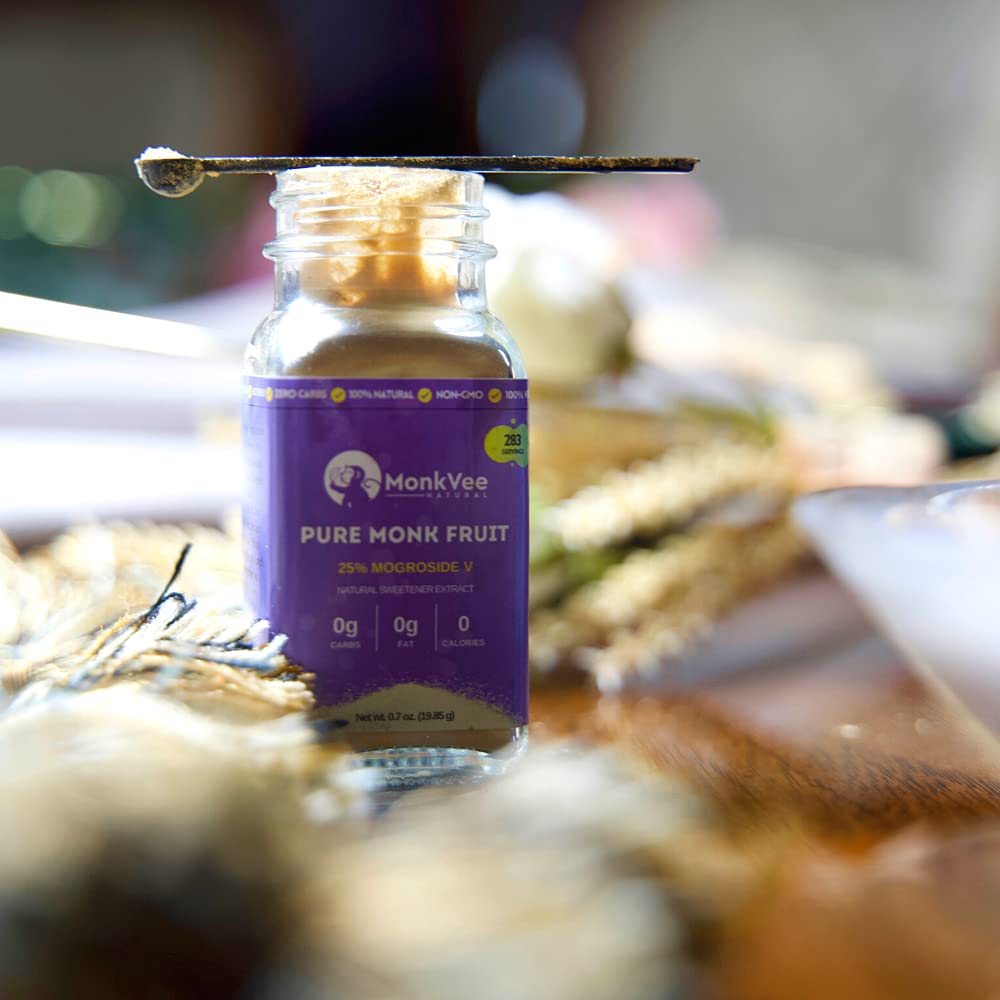
- For pure, ultra-sweet intensity with *no filler*? Try MonkVee Pure Monk Fruit.
- Interested in a plant-based powerhouse? Grab MonkVee Stevia Extract, naturally derived and 300x sweeter than sugar!
Pro Tips and How to Use Monk Fruit Sweetener
- Start small: A little goes a long way when using pure extracts.
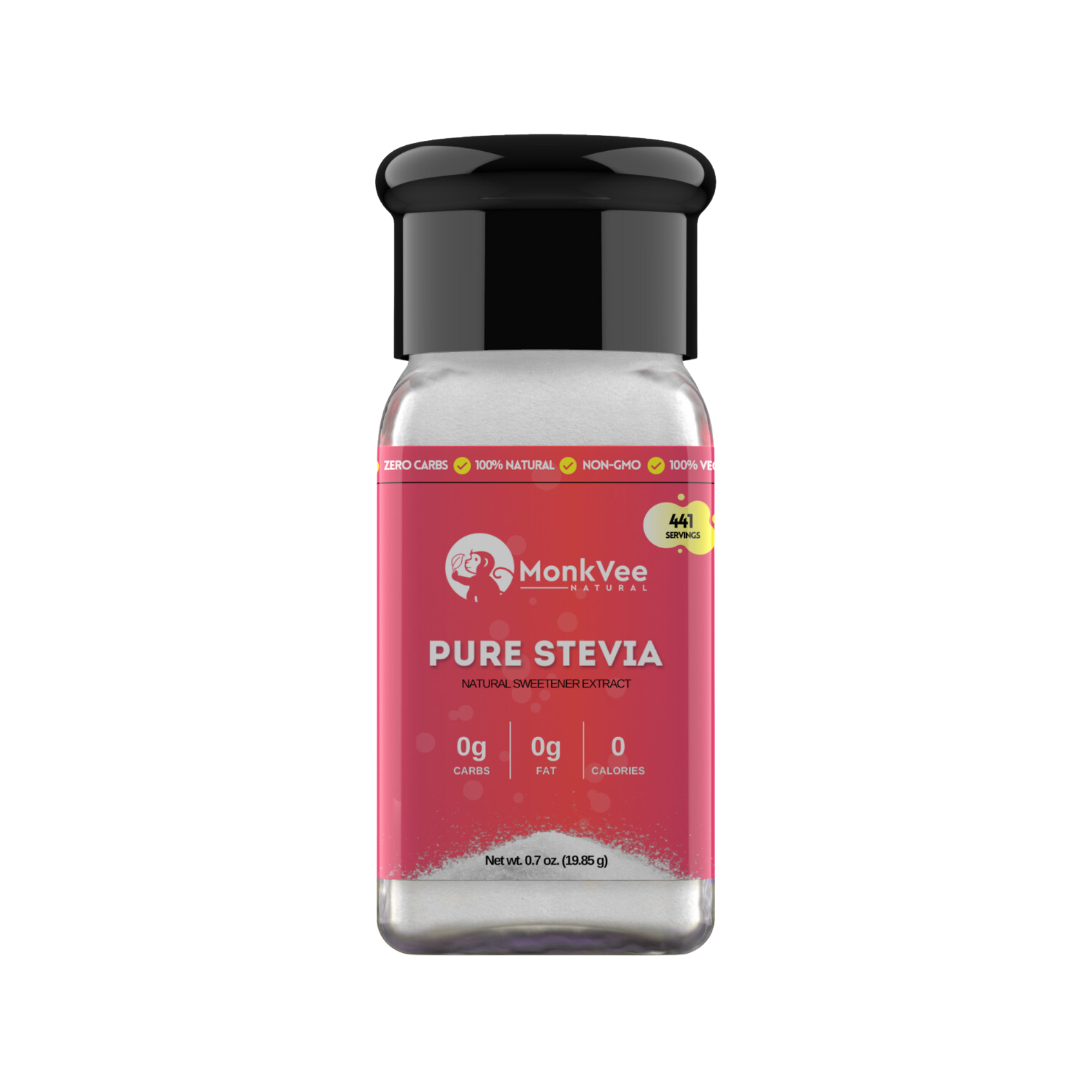
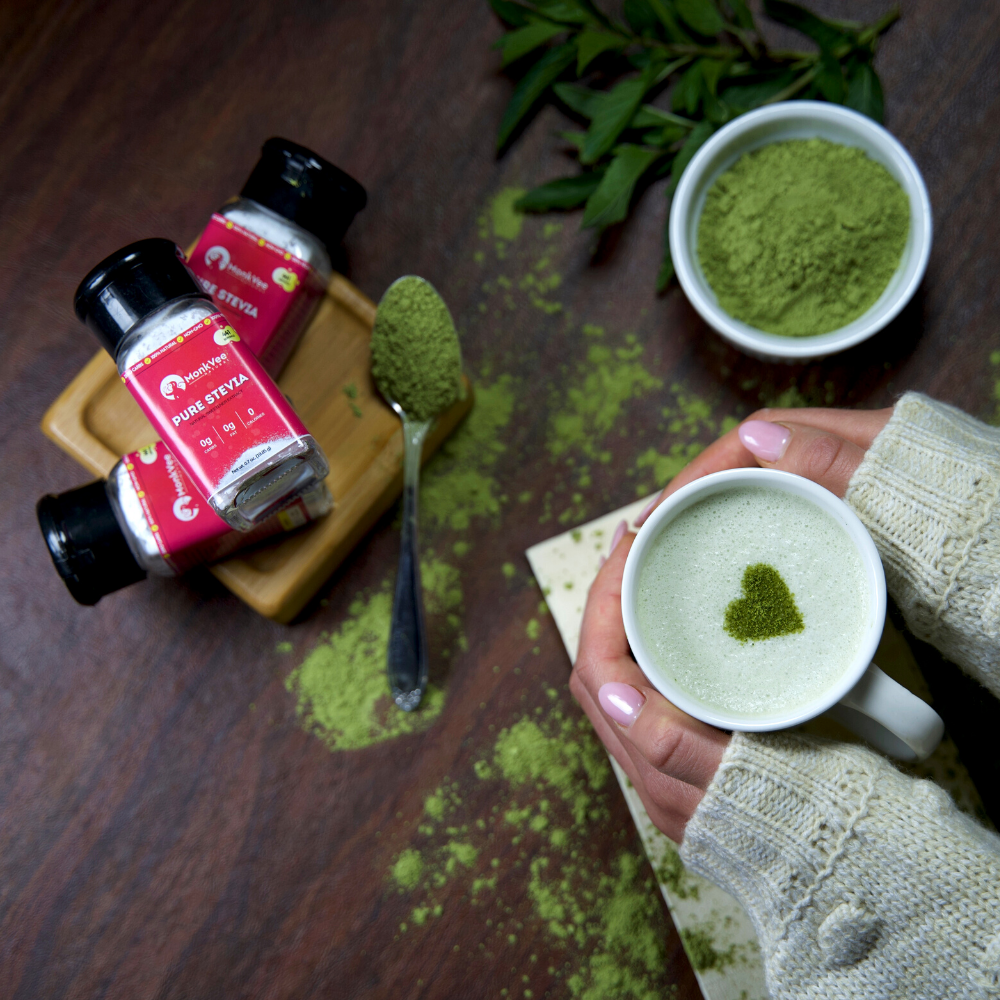
- Coffee + Stevia = True Love: MonkVee’s pure stevia adds just the right kick without bitterness.
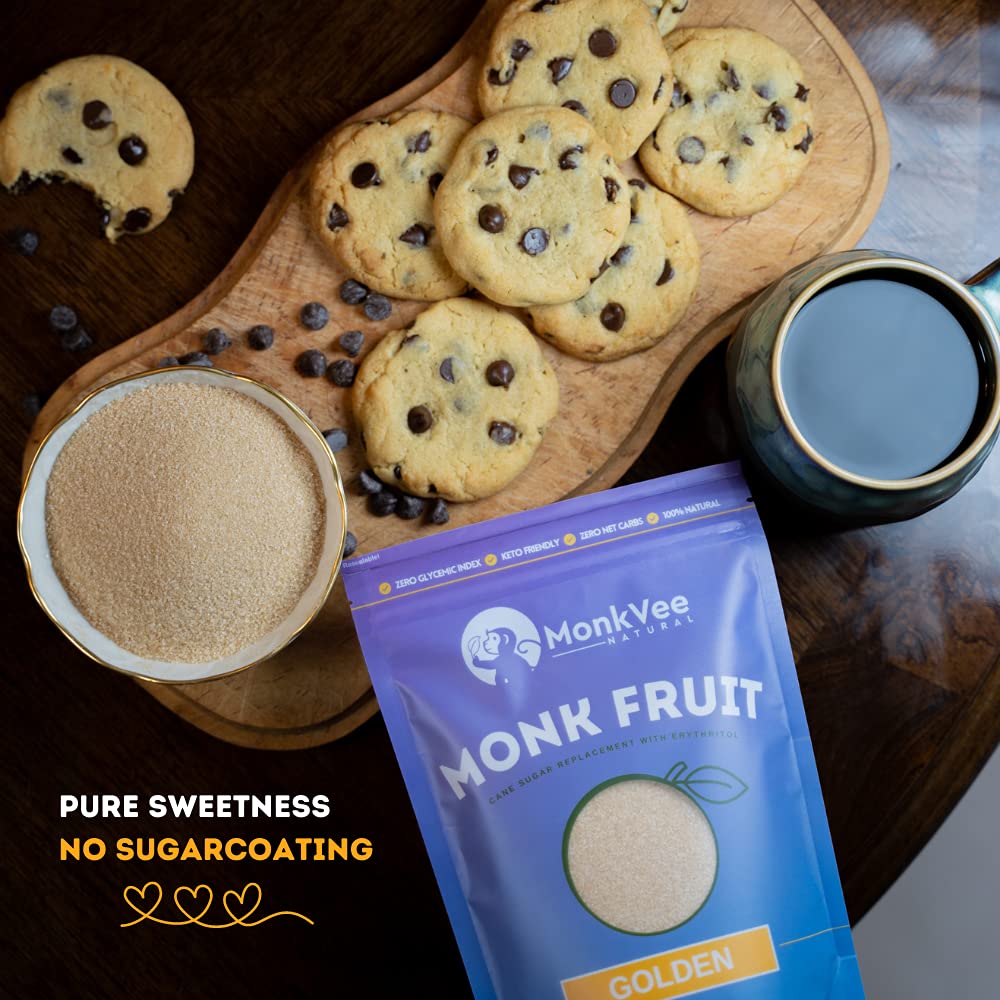
- Golden Monk Fruit = Best for Baking: The golden color gives a rich, caramel-like depth—perfect for cookies and muffins.
- Pure Monk Fruit + Drinks = Game Changer: Stir into tea, smoothies, or cocktails and sip guilt-free.
Conversion Ratio Table
| Product | Sweetness Compared to Sugar |
|---|---|
| MonkVee Pure Stevia | 300x sweeter than sugar |
| MonkVee Pure Monk Fruit | 150x sweeter than sugar |
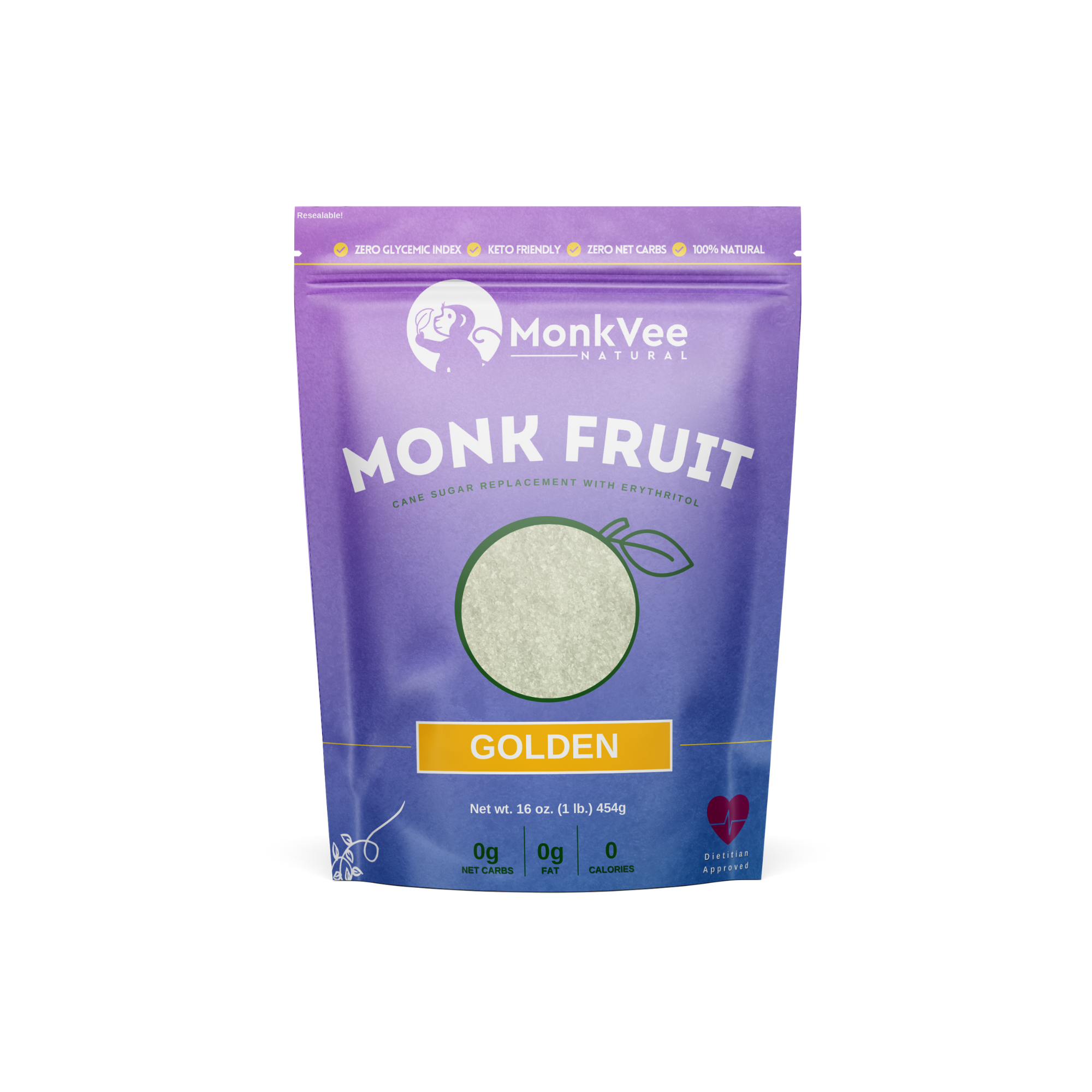
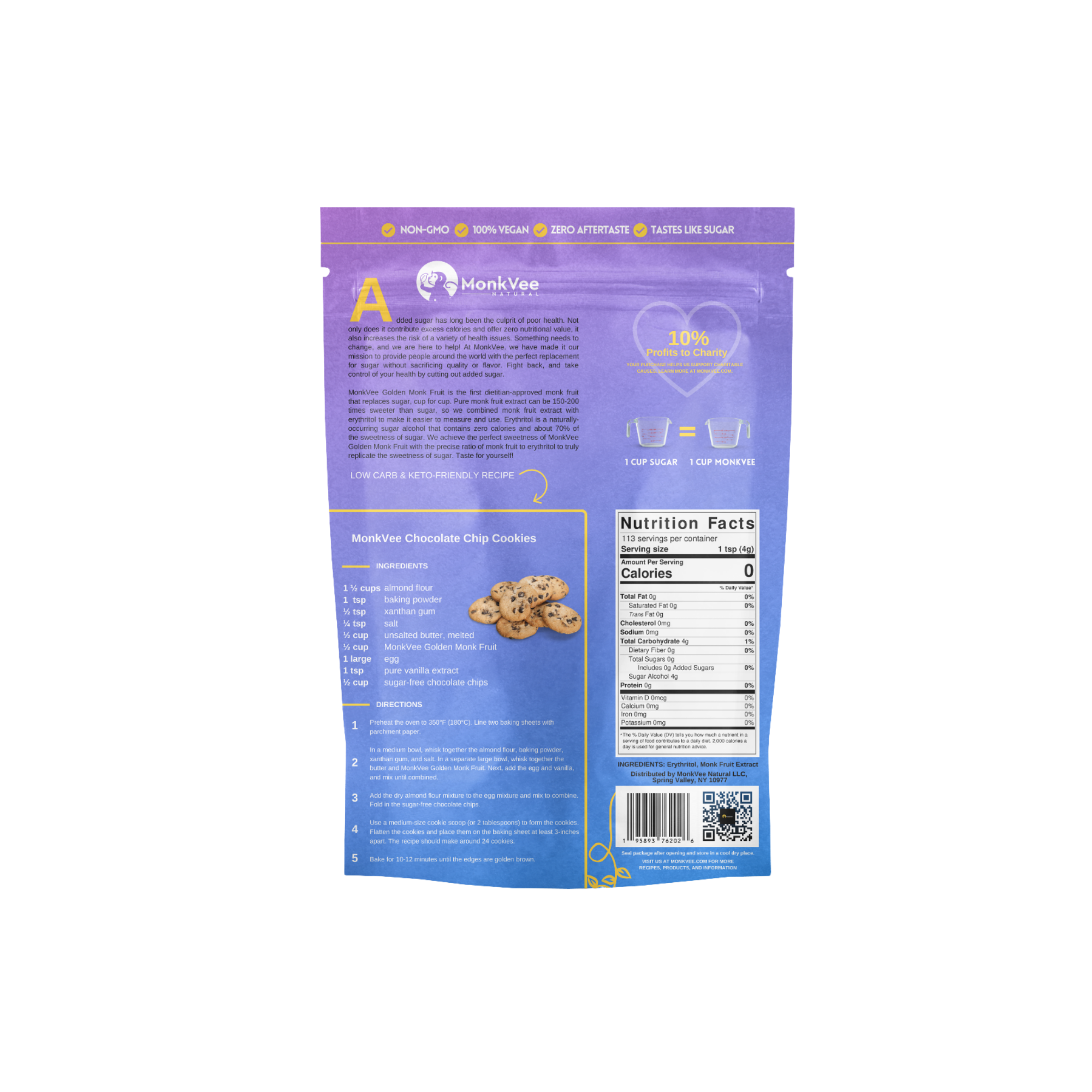
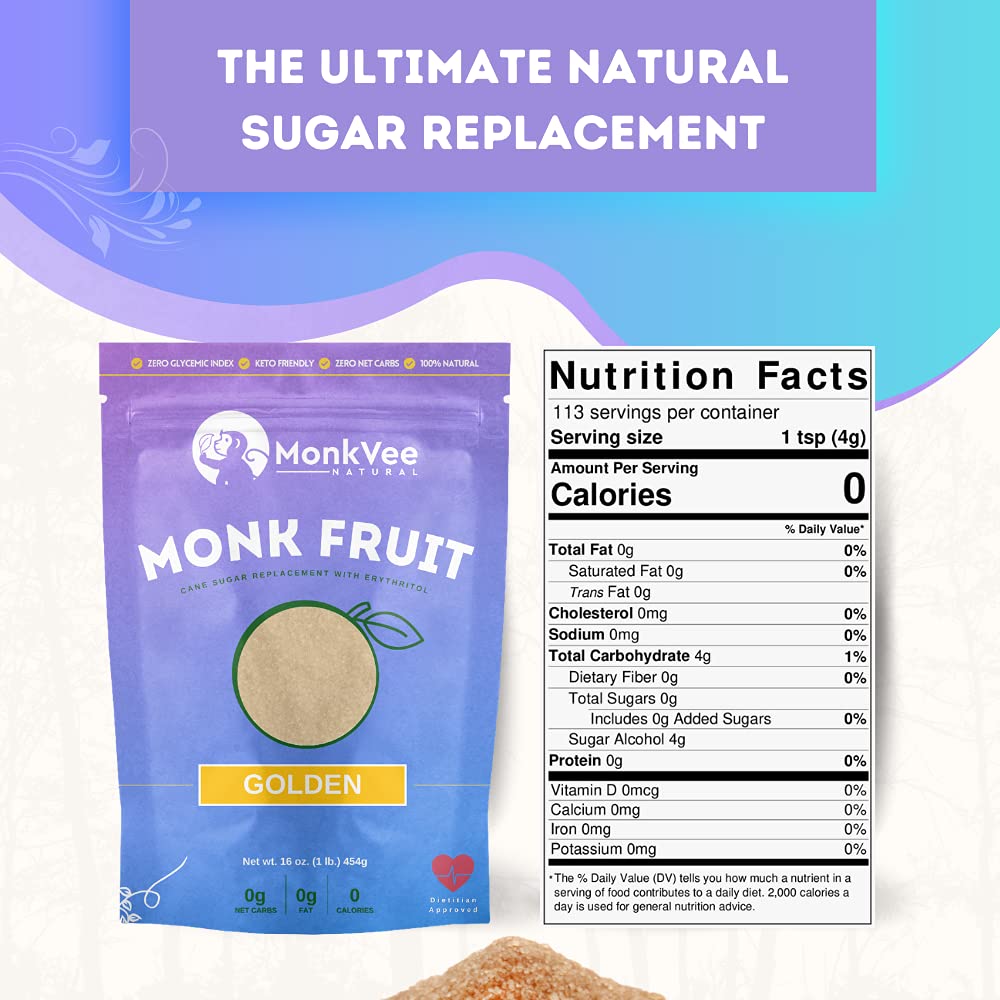
| MonkVee Golden Blend | 1:1 sugar replacement |
| MonkVee Original Blend | 1:1 sugar replacement |
What You Can Use MonkVee Products In
- Baked goods (muffins, bread, cookies, brownies)
- Beverages (coffee, tea, smoothies, cocktails)
- Dressings and sauces
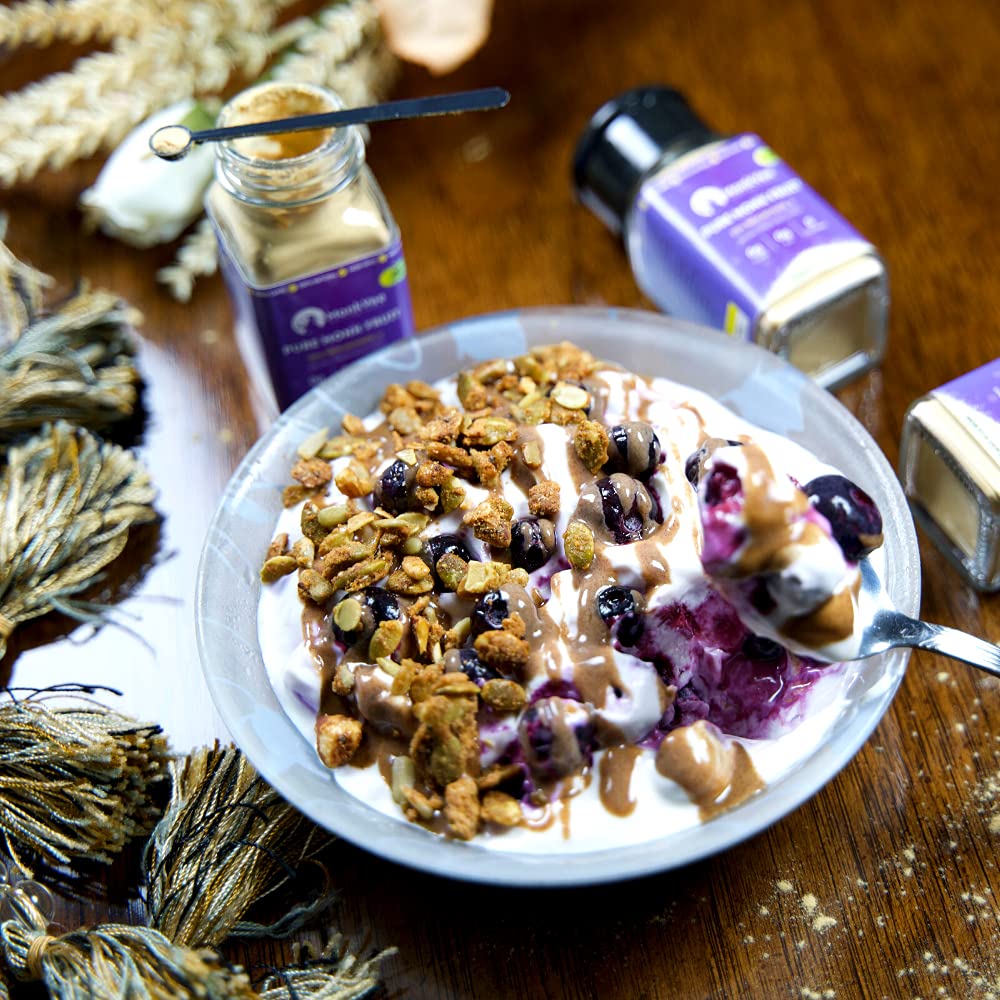
- Yogurts and chia puddings
- Oatmeal, cereals, protein shakes
Health Benefits of Ditching Added Sugar
Cutting added sugar can lead to improved energy levels, clearer skin, better weight management, and a significantly reduced risk of diseases like type 2 diabetes and cardiovascular issues. Replacing sugar with natural sweeteners like MonkVee is an easy, guilt-free way to sweeten your life without the sugar crash.
Dietitian’s Tips on Eating Healthy
- Read labels—sugar is sneaky and shows up in everything from pasta sauce to salad dressing.
- Opt for whole foods with natural sweetness like fruits.
- Replace sugar with natural alternatives like monk fruit and stevia when cooking or baking.
- Watch portion sizes—calorie-free sweeteners still lead to larger portions if you’re not careful.
Losing Weight by Cutting Added Sugar
Swapping sugar for MonkVee sweeteners is a *smart* step toward weight loss, but remember—it works best as part of a holistic approach. Regular movement, plenty of water, mindful eating, and restful sleep are just as essential to your overall results.
Why MonkVee's 100% Natural Sweeteners Are Better Than Lab-Made Ones
Unlike artificial sweeteners developed in labs (looking at you sucralose and aspartame), MonkVee’s sweeteners come from plants and are processed using minimal, clean extraction methods. There’s no funny aftertaste, no chemical weirdness, and no question of safety. Better still, our 1:1 Golden and Original blends use erythritol—not artificial, not lab-created, but a naturally occurring sugar alcohol your own body produces. Erythritol is gentle on the stomach and doesn’t affect blood sugar, making it the ideal partner for monk fruit.
Buy the Best Natural Sweeteners at MonkVee.com
Ready to break up with sugar for good? Explore the sweet side of life at MonkVee.com—your one-stop shop for monk fruit, stevia, and all-natural blends that make clean living delicious and simple.
Top 10 Q&As About Monk Fruit and MonkVee Sweeteners
1. Is monk fruit safe for diabetics?
Absolutely! Monk fruit doesn't spike blood sugar levels, making it ideal for people managing diabetes.
2. How is monk fruit different from stevia?
Both are natural, zero-calorie sweeteners, but they come from different plants and offer slightly different flavor profiles. Monk fruit has a subtle caramel note, while stevia has a more herbal flavor.
3. Why does MonkVee use erythritol in some blends?
Erythritol acts as a bulking agent so the sweetener measures just like sugar. It's naturally occurring, calorie-free, and easy on digestion.
4. Can I bake with MonkVee sweeteners?
Yes! Especially the Golden and Original blends, which are 1:1 sugar replacements—no math needed.
5. Does monk fruit have an aftertaste?
Not ours. MonkVee carefully extracts only the best parts of the fruit for clean, smooth sweetness—no bitter weirdness here.
6. What’s the shelf life of MonkVee sweeteners?
Up to 2 years when stored in a cool, dry place—but they’re so good, you’ll probably run out long before then.
7. Is monk fruit paleo and keto friendly?
100%. Our sweeteners fit smoothly into both keto and paleo lifestyles.
8. Can I mix monk fruit and stevia?
Sure can. Some people love blending both for a unique flavor combo.
9. What makes MonkVee different from other brands?
No fillers, no sketchy blends—just 100% clean ingredients with flavor you can trust. We also don’t use erythritol in our pure extracts, only in our 1:1 blends.
10. Where can I buy MonkVee products?
Exclusively at MonkVee.com. Get fresh, natural sweetness shipped right to your door!
Calorie Calculator

Build Your MonkVee® Box
Ditch the sugar & lab made sweeteners for good!
Glycemic Index Calculator
Click product for details and to upgrade to Subscribe & Save
Try MonkVee®
MonkVee
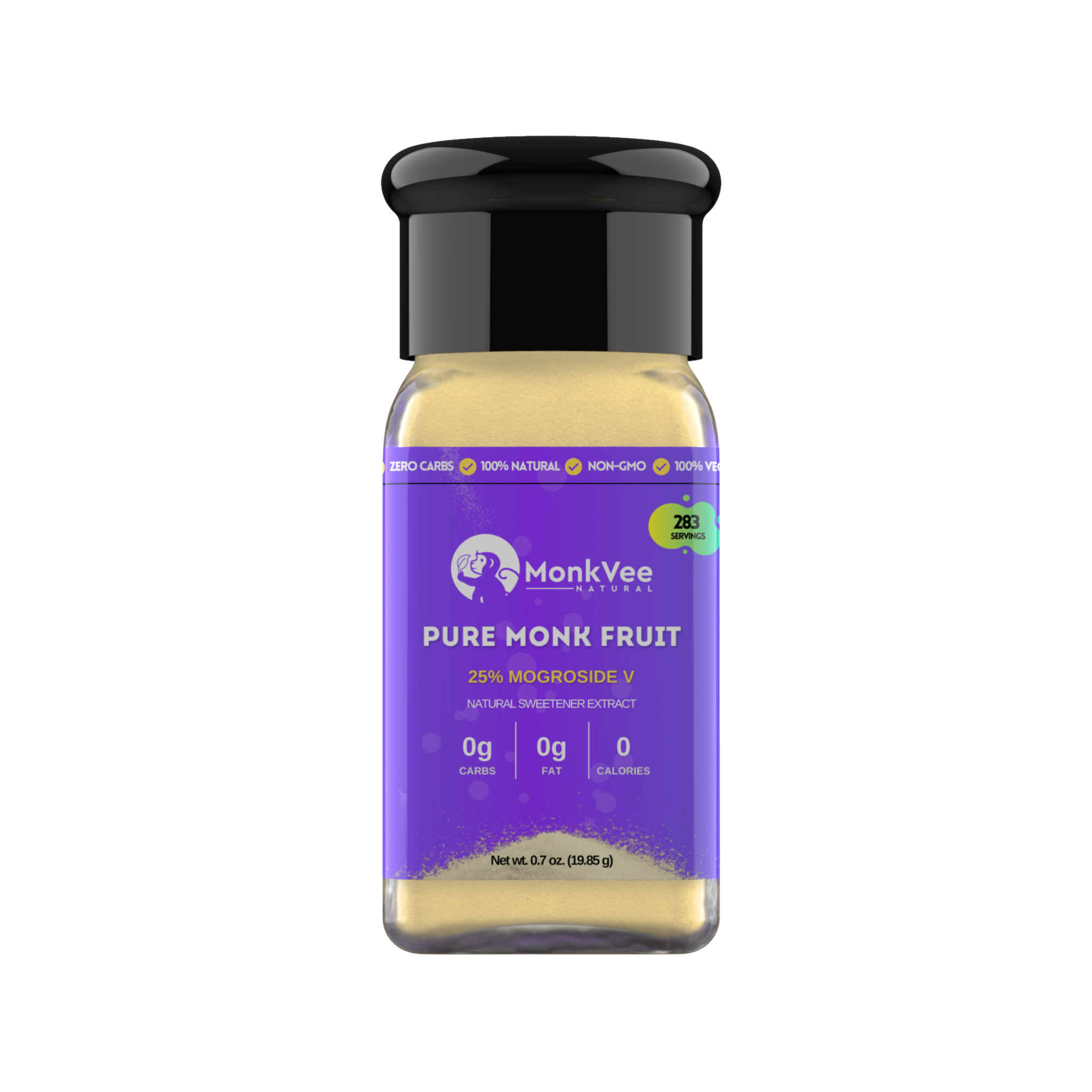
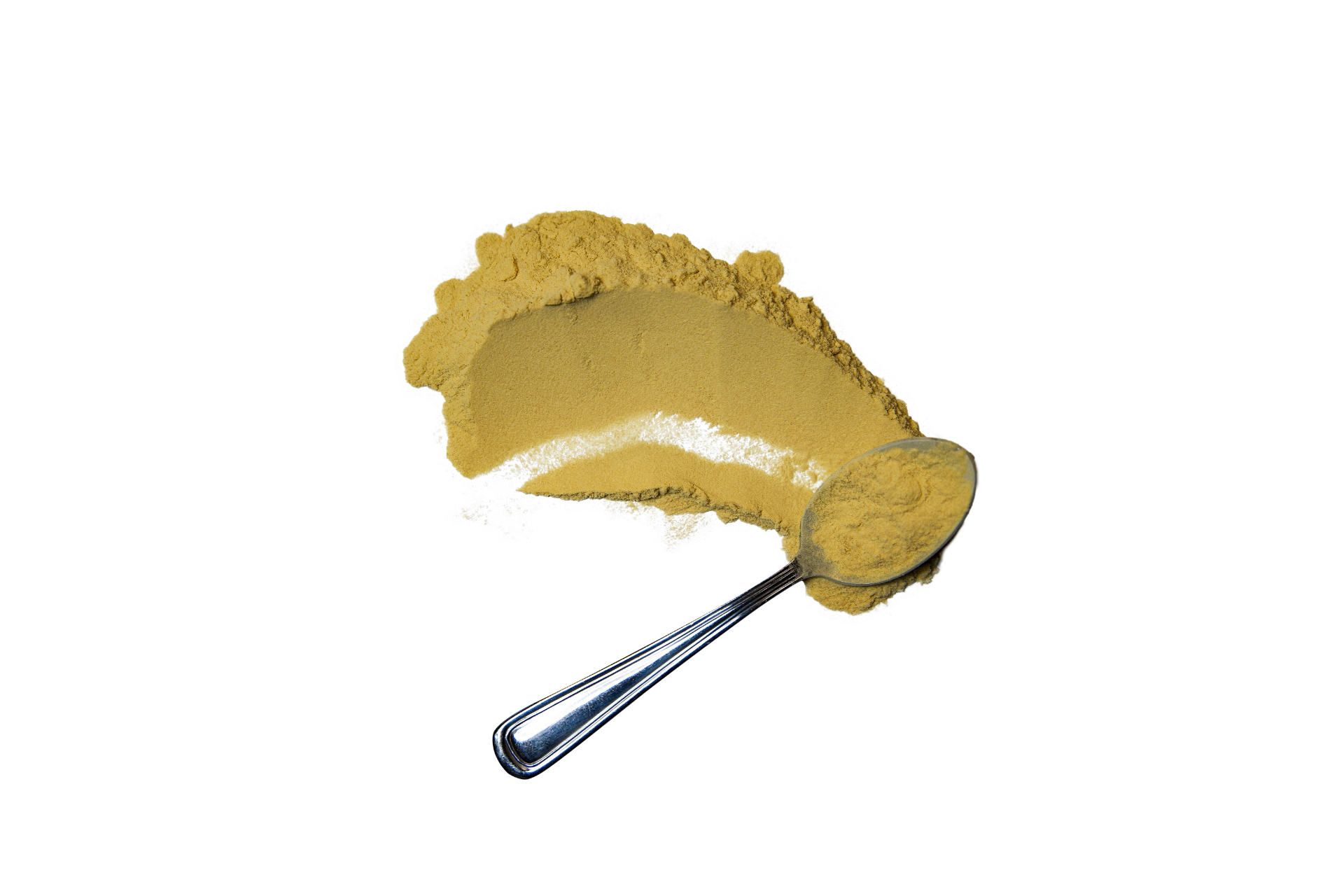
Monk Fruit Extract - 100% Pure & Natural, No Fillers
MonkVee
Monk Fruit Sugar - Golden, 100% Natural Sugar Replacement | MonkVee
MonkVee
Stevia Extract - 100% Pure, Naturally Extracted Reb A Leaf
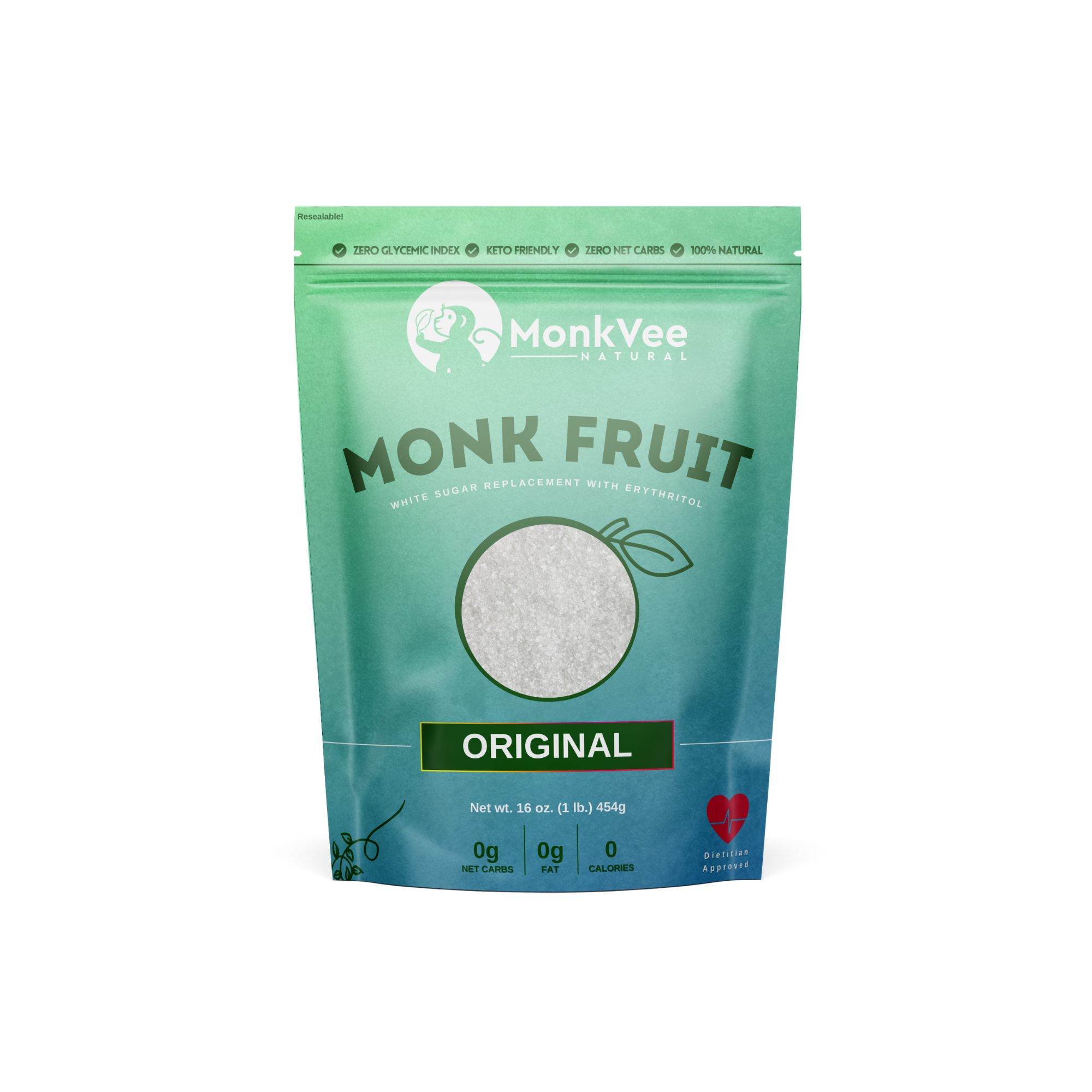
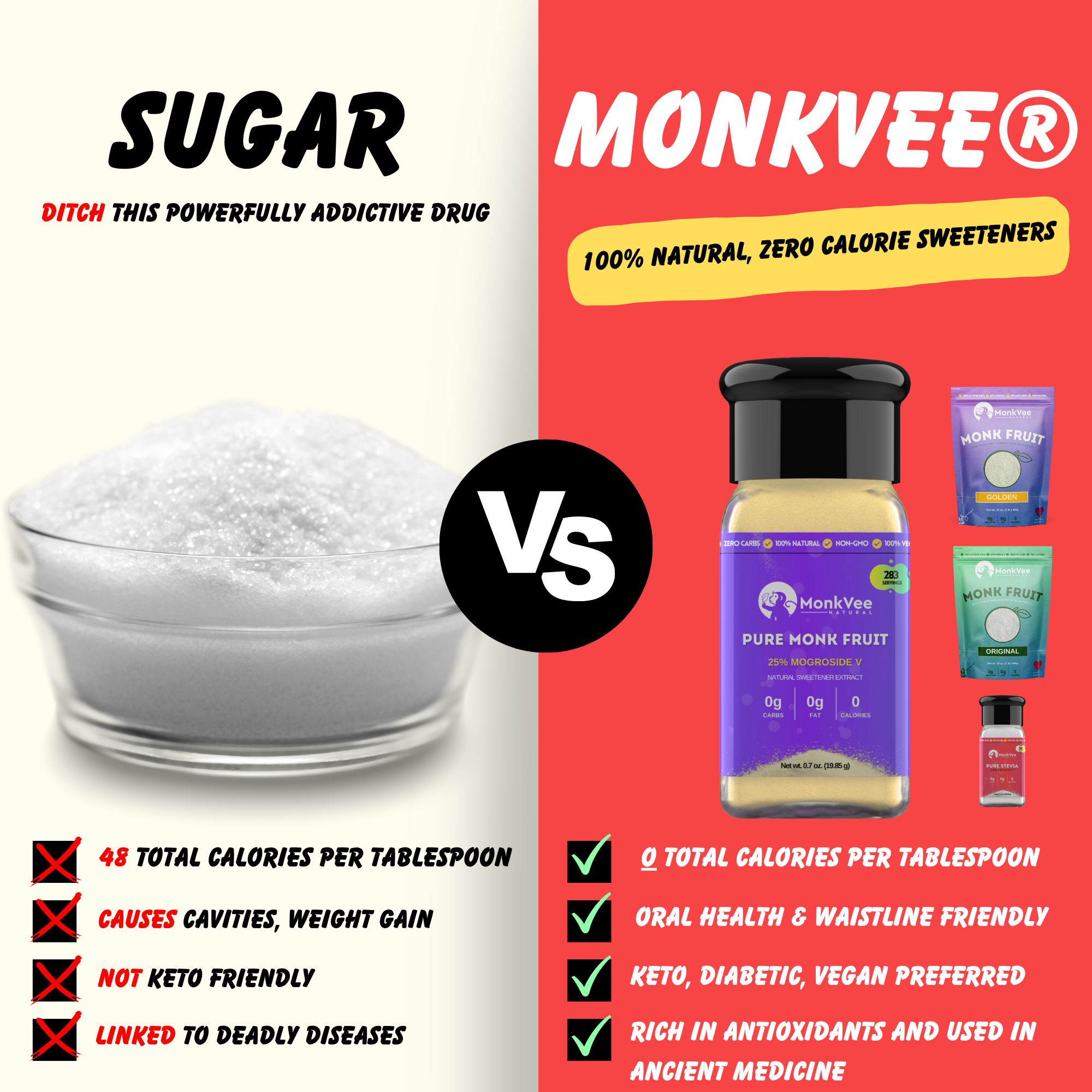
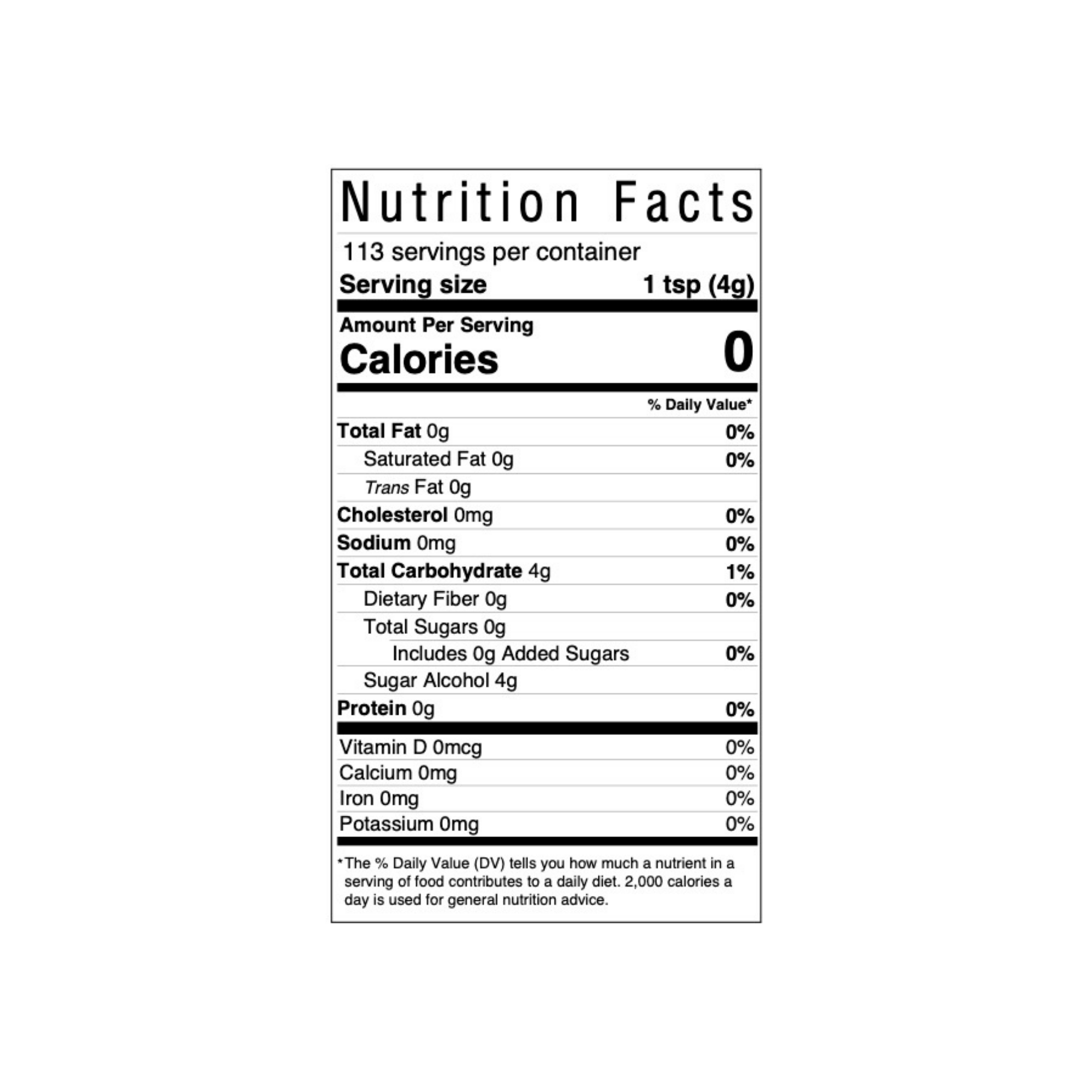
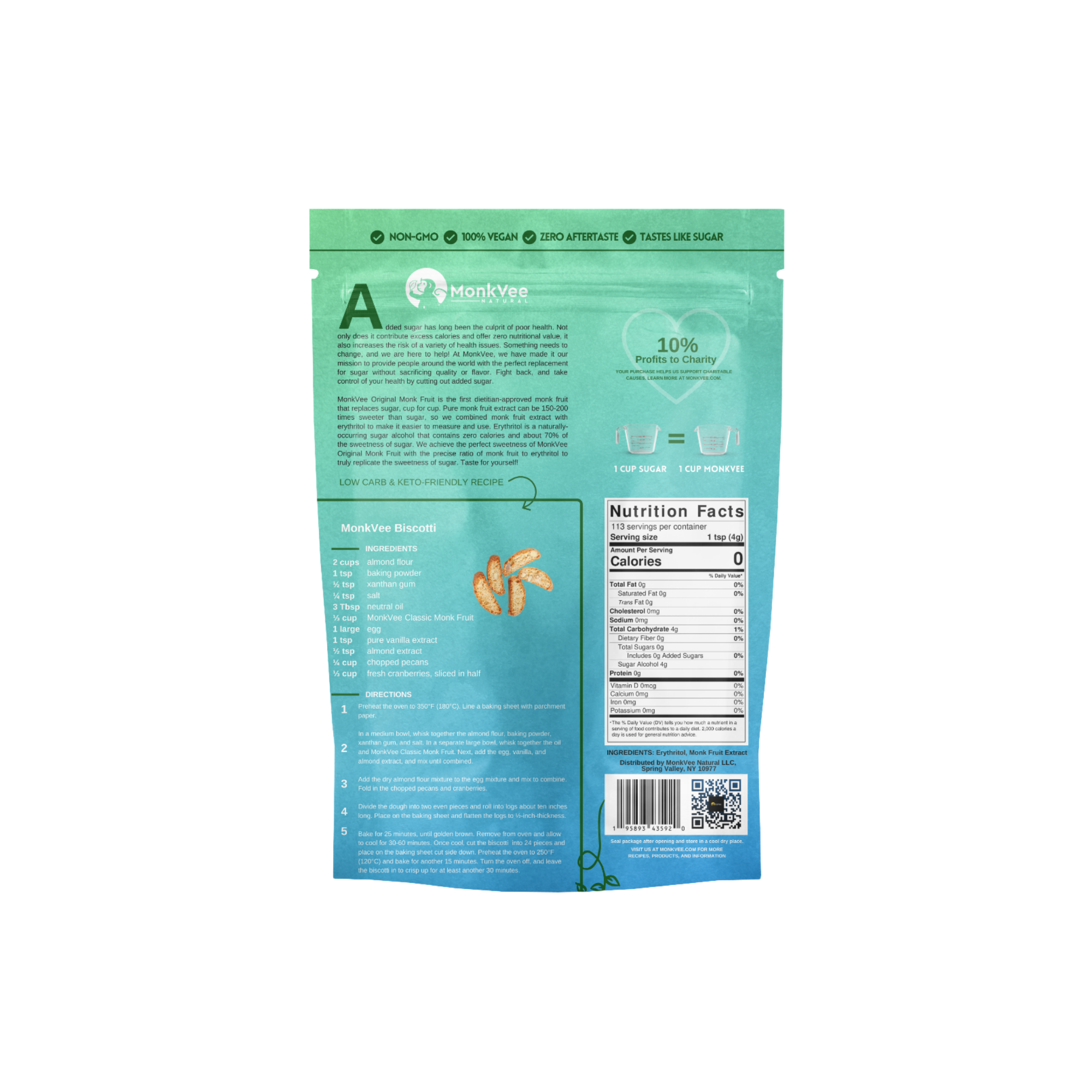
MonkVee
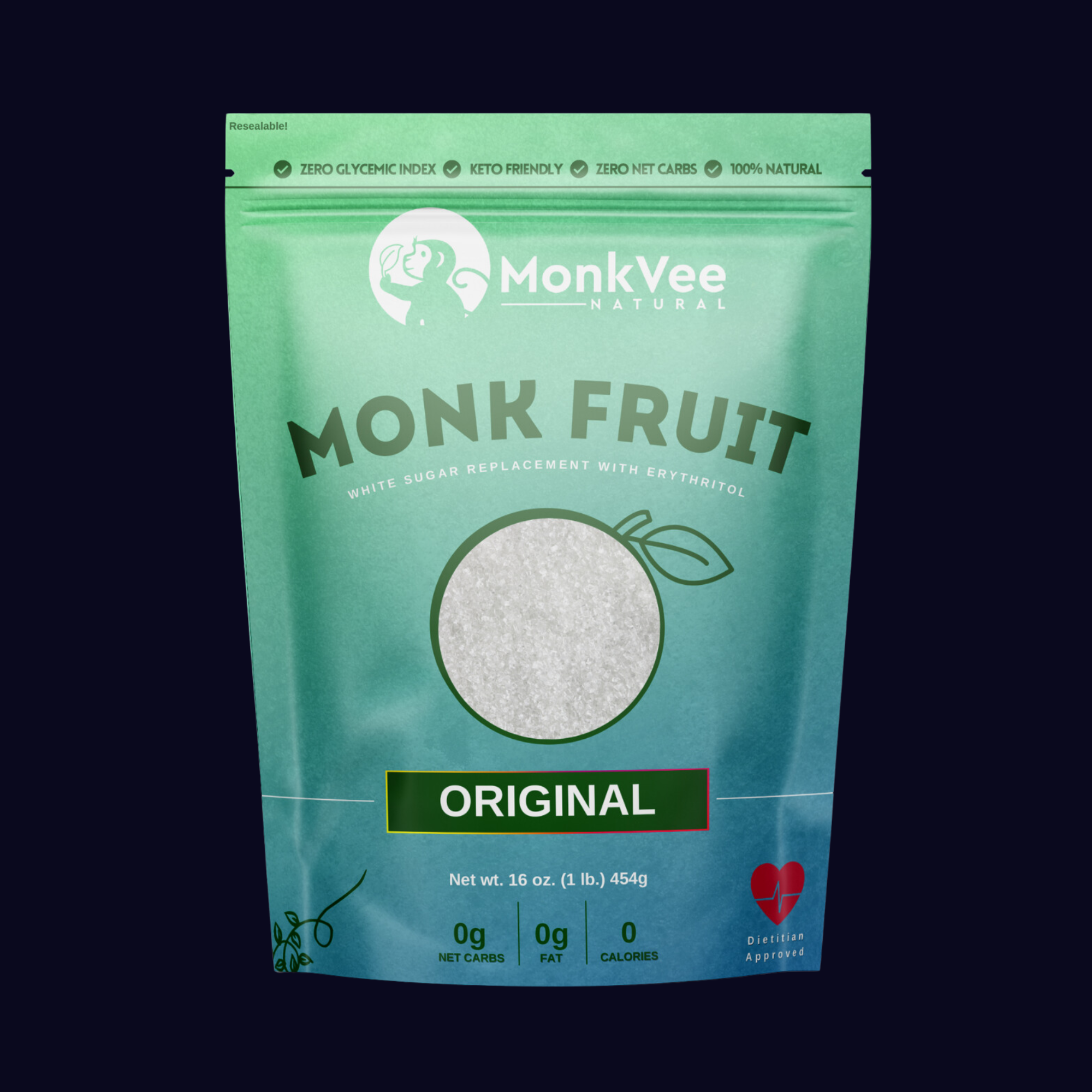
Monk Fruit Sweetener - Original, Natural Sugar Substitute | MonkVee
Mac: Command + F to find your question
Commonly Asked Questions
Why use Monk Fruit Sweetener?
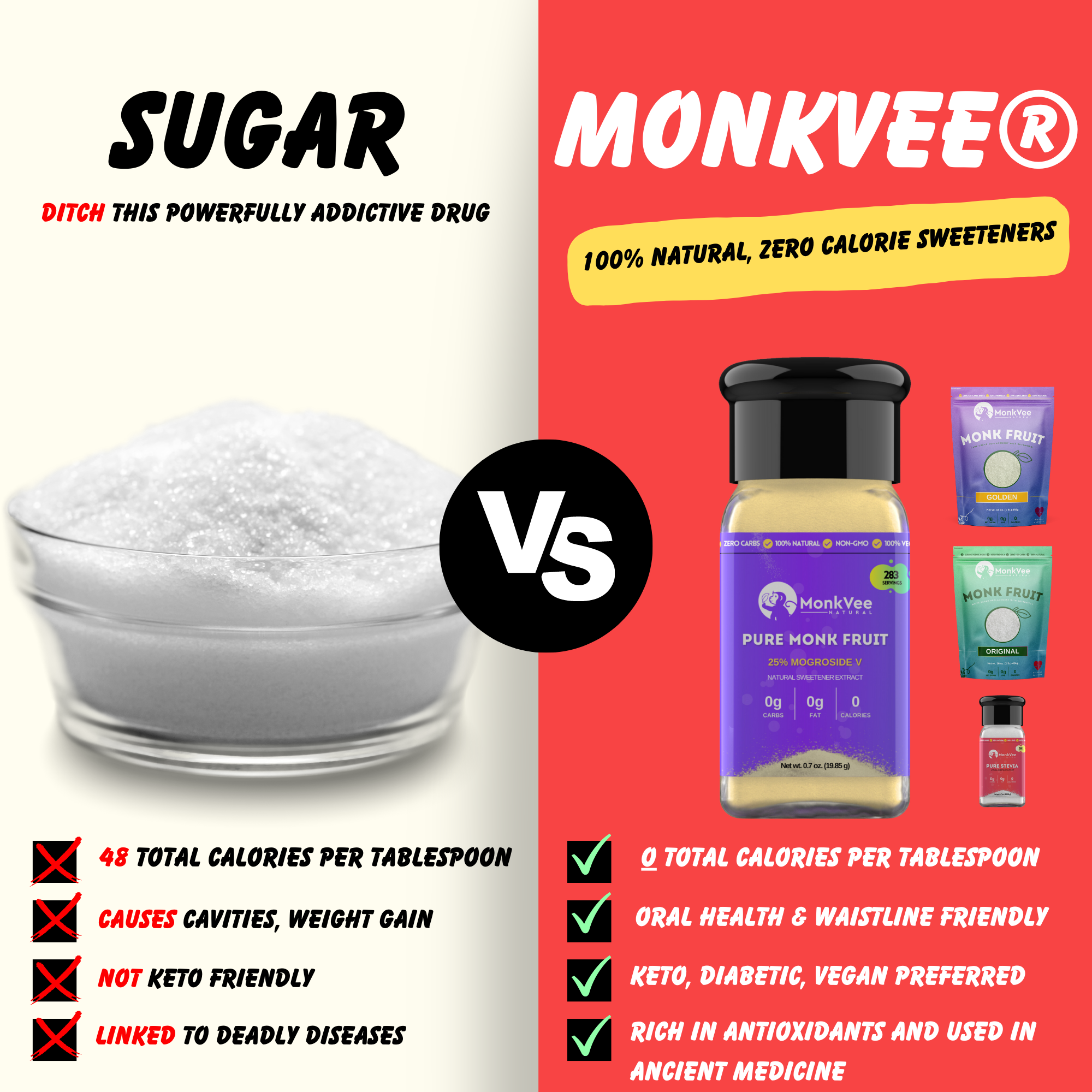
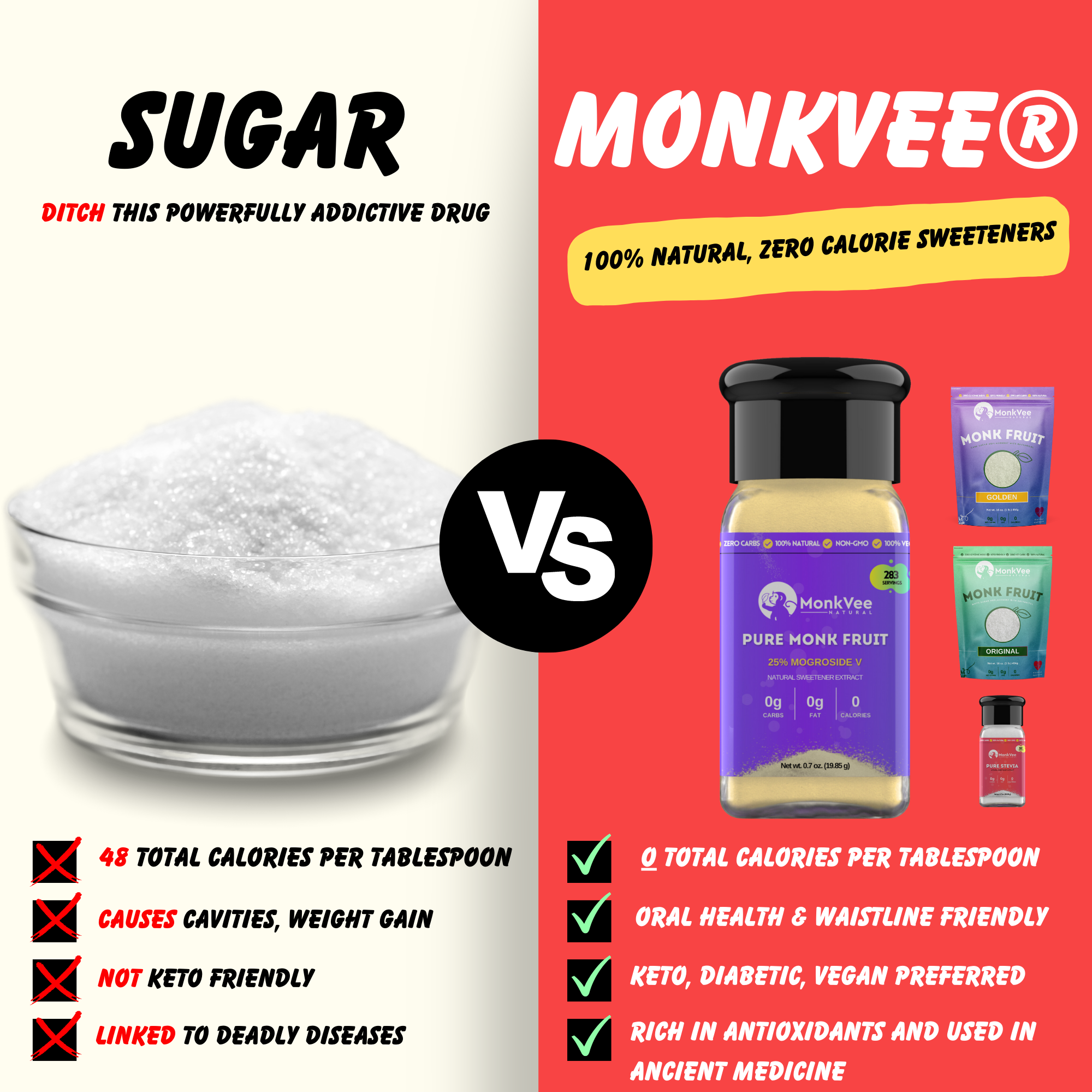
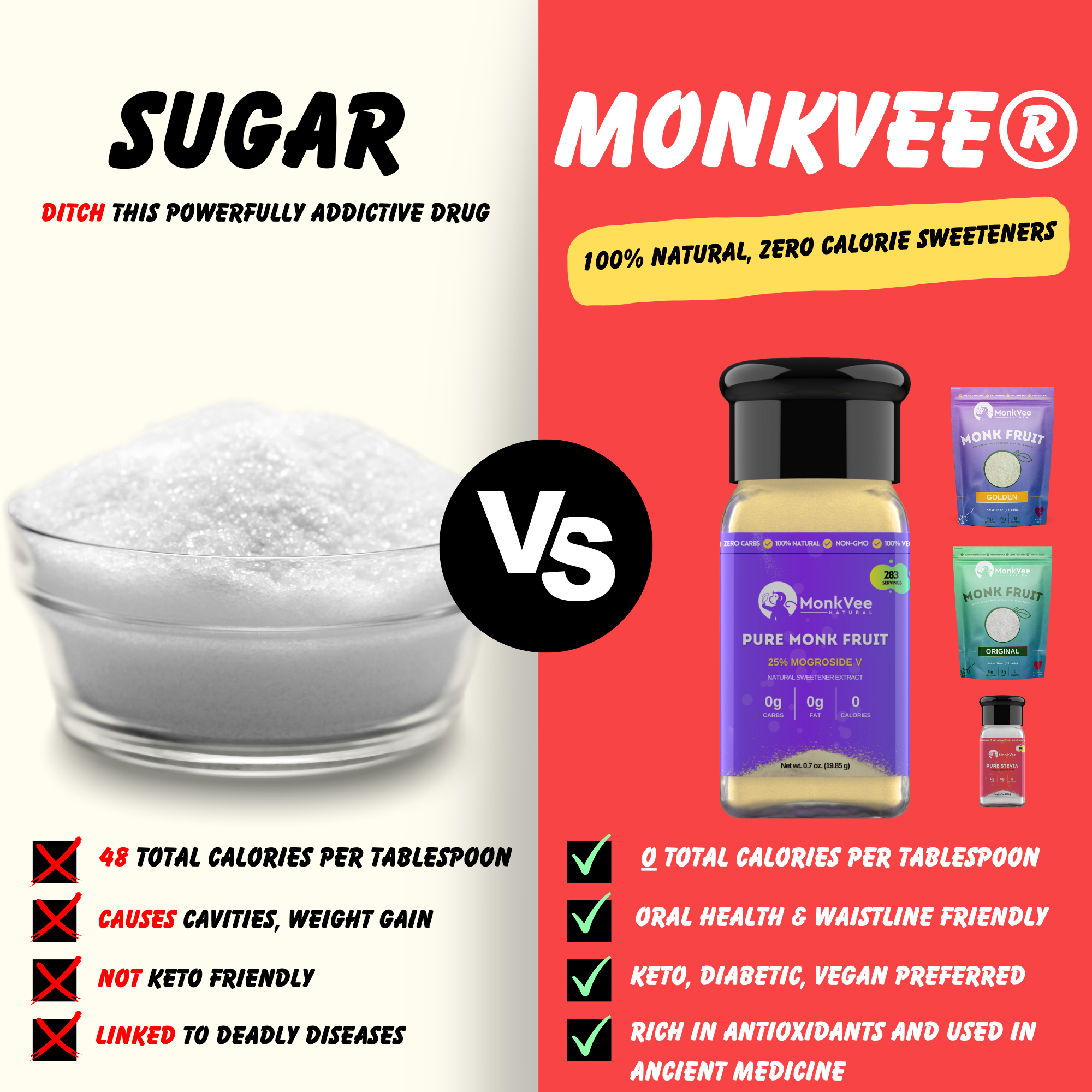
MonkVee® Monk Fruit Sweeteners are 100% natural and zero calories. Unlike sugar which is known to be the leading cause of dozens of awful chronic illnesses such as certain cancers, diabetes, and other killers. MonkVee® Monk Fruit (and Stevia extract) are the healthiest known sweeteners available on the market today. Unlike lab-made artificial sweeteners, MonkVee® is your #1 choice for pure, natural, delicious sweetness. No More sugar spikes and sugar crashes, jitters, diseases, tooth decay and cavities... The list goes on. Try MonkVee® and enter the sweet life!
Will monk fruit sweetener activate yeast
Monk fruit doesn't activate yeast like sugar does, however, by using MonkVee® Monk Fruit, you can reduce the sugar in your recipe overall and have a much healthier outcome! And it will taste just as good! See our full article about baking with monk fruit here.
What is monk fruit?
Monk fruit, also known as luo han guo, is a small green melon native to Southeast Asia. It's valued for its sweetness and health benefits.
How is monk fruit sweetener made?
Monk fruit sweetener is made by extracting the natural sugars from the monk fruit, resulting in a concentrated sweetener that is much sweeter than sugar.
Is monk fruit sweetener a good sugar alternative for baking?
Yes, monk fruit sweetener can be used as a sugar alternative in baking. It provides sweetness without the calories or blood sugar spikes associated with regular sugar.
Does monk fruit sweetener have any calories?
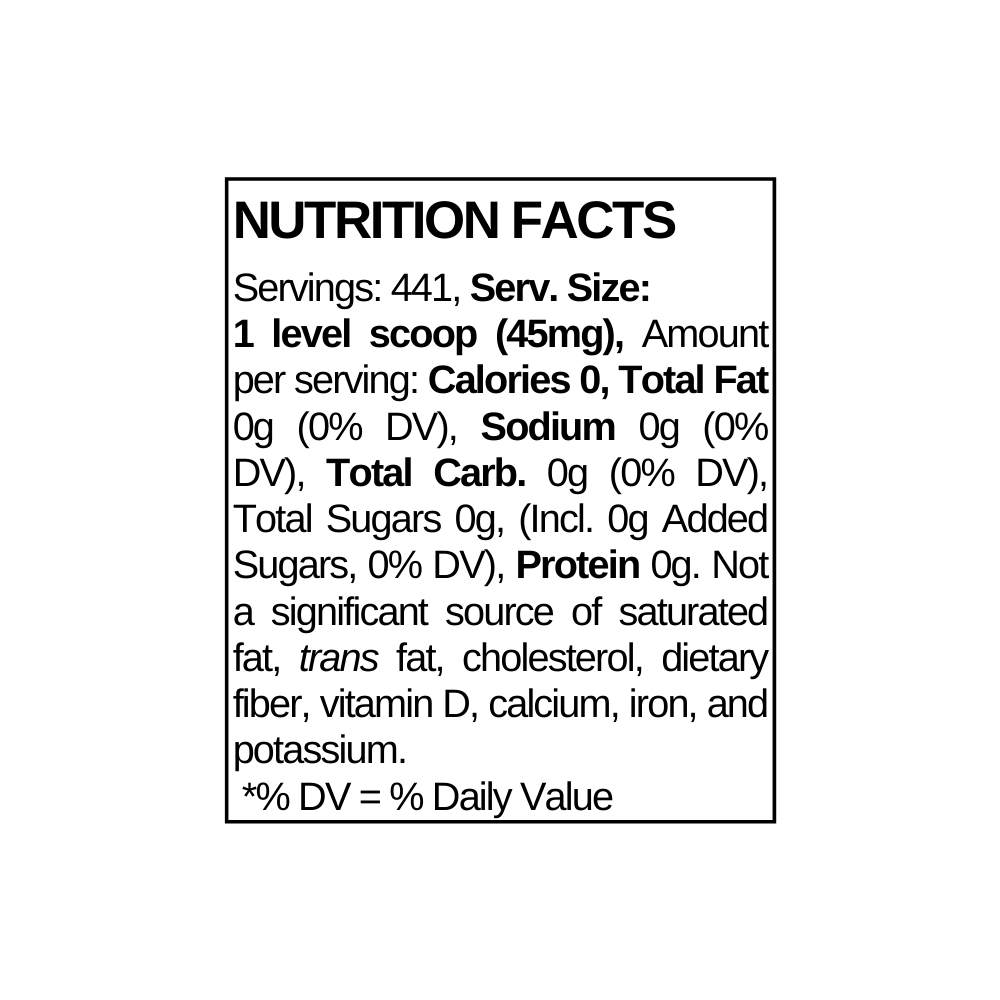
Monk fruit sweetener is calorie-free, making it an excellent option for those watching their calorie intake.
Can monk fruit sweetener be used by people with diabetes?
Yes, monk fruit sweetener is a suitable option for people with diabetes because it does not affect blood sugar levels.
Is monk fruit sweetener safe for weight loss diets?
Monk fruit sweetener can be a helpful tool for those on weight loss diets as it provides sweetness without the calories of sugar.
Does monk fruit sweetener have an aftertaste?
Monk fruit sweetener typically does not have an aftertaste, especially when compared to other artificial sweeteners.
Can monk fruit sweetener help with acne?
While there's no direct evidence linking monk fruit sweetener to acne, reducing sugar intake, including monk fruit sweetener, may contribute to clearer skin for some individuals.
Does monk fruit sweetener affect sleep quality?
Monk fruit sweetener does not directly affect sleep quality. However, consuming it in excess before bedtime may lead to digestive discomfort, which could impact sleep.
Are there any known side effects of consuming monk fruit sweetener?
Monk fruit sweetener is generally recognized as safe (GRAS) according to the FDA.
Can monk fruit sweetener be used in hot beverages like coffee or tea?
Yes, monk fruit sweetener can be added to hot beverages like coffee or tea to sweeten them without adding calories.
Is monk fruit sweetener suitable for vegan diets?
Yes, monk fruit sweetener is vegan-friendly as it is derived from the fruit and does not contain any animal products.
How does monk fruit sweetener compare to other natural sweeteners like stevia?
Monk fruit sweetener and stevia are both natural sweeteners with zero calories, but monk fruit is often considered to have a cleaner, more sugar-like taste.
Can monk fruit sweetener be used in cold beverages?
Yes, monk fruit sweetener can be used to sweeten cold beverages like iced tea or lemonade without any issues.
Does monk fruit sweetener contain any artificial ingredients?
No, monk fruit sweetener is made from the natural sugars found in the monk fruit and does not contain any artificial ingredients.
Can monk fruit sweetener be used in recipes that require caramelization?
Monk fruit sweetener can be used in recipes that require caramelization, but it may not caramelize in the same way that sugar does.
Can monk fruit sweetener be used in homemade jams and preserves?
Yes, monk fruit sweetener can be used to sweeten homemade jams and preserves instead of sugar. It will provide sweetness without adding extra calories.
Does monk fruit sweetener have a glycemic index?
Monk fruit sweetener has a glycemic index of zero, meaning it does not raise blood sugar levels.
Can monk fruit sweetener be used in raw desserts?
Yes, monk fruit sweetener can be used in raw desserts to add sweetness without the need for cooking or baking.
Is monk fruit sweetener suitable for people with gluten intolerance?
Yes, monk fruit sweetener is gluten-free and can be safely consumed by people with gluten intolerance or celiac disease.
Can monk fruit sweetener be used in homemade salad dressings?
Yes, monk fruit sweetener can be used to sweeten homemade salad
Is monk fruit sweetener suitable for people following a ketogenic diet?
Yes, monk fruit sweetener is suitable for those on a ketogenic diet as it does not contain any carbohydrates or sugars that could affect ketosis.
Can monk fruit sweetener be used in beverages other than tea and coffee?
Absolutely! Monk fruit sweetener can be used in various beverages like smoothies, cocktails, and flavored water to add sweetness without the extra calories.
Does monk fruit sweetener affect blood sugar levels?
No, monk fruit sweetener does not affect blood sugar levels as it has a glycemic index of zero. It's a suitable option for those monitoring their blood sugar.
Is monk fruit sweetener safe for pregnant women?
Monk fruit sweetener is generally considered safe for pregnant women, but it's always best to consult with a healthcare professional for personalized advice.
Can monk fruit sweetener be used in homemade granola bars?
Yes, monk fruit sweetener can be used in homemade granola bars to provide sweetness without the added sugar. It's a healthier option for snacks.