
Zero calories / zero glycemic index
safe for diabetics, keto, weight-loss seekers.
What is this controversial lab-made sweetener?

Saccharin is one of the oldest artificial sweeteners. Regulators call it “safe at current intakes.”
If your bar is “not obviously toxic in a narrow toxicology model”, that’s fine.
If your bar is metabolic health, gut integrity, long-term brain and cardiovascular risk, the data are very clear:
Saccharin offers no upside and multiple scientifically documented potential downsides — especially when you have clean options like MonkVee monk fruit and MonkVee stevia.
Below is the evidence, not fear-mongering.
You’ll find it in:
So, yes, it’s zero-calorie. That alone does not make it a good idea.
Regulatory agencies ask:
“Does saccharin cause obvious toxicity or cancer at or below a specific mg/kg bodyweight threshold?”
Their answer, after re-evaluation:
That is a very narrow lens:
“Does it clearly cause tumors or organ damage at those doses?”
It does not ask:
When you look at those questions, the picture stops looking benign.
Historically:
Result:
So the modern concern is not “saccharin = guaranteed human bladder cancer.”
The modern concern is everything else the science now shows:
This is the strongest mechanistic reason to say saccharin is not good.
The famous 2014 Nature paper (Suez et al.):
Follow-ups and reviews concluded:
So at least in animal models: saccharin can push metabolism in the wrong direction, even without calories.
A 2021 randomized, double-blind, placebo-controlled trial (Serrano et al.):
Important context:
This tells you: in a short trial on healthy adults, ADI-level saccharin doesn’t always blow up the microbiome in a way you can easily detect.
It does not refute:
A 2022 Cell trial (Suez et al., newer work):
Takeaway:
That’s enough to say, from a metabolic-health perspective: this is not a clean sweetener.
Cohort data don’t isolate saccharin perfectly, but they do tell you what happens when people live on this stuff.
The NutriNet-Santé cohort (France; ~103,000 adults):
A 2024 analysis in Cardiovascular Diabetology (Sun et al.):
No, this doesn’t prove “saccharin causes heart attacks.”
But:
A 2025 Neurology study (Brazilian cohort, ~12,700 adults):
Again: observational, not causality. But it moves the needle away from “this is harmless” and toward “this is a bad long-term bet if you have alternatives.”
Saccharin almost never appears in isolation in a real diet.
It typically sits inside:
These often contain multiple additives:
A 2024 review on low- and non-calorie sweeteners concluded:
So even if saccharin is “safe” at some mg/kg number, the food environment it travels in is consistently associated with:
That’s not a context you want to hitch your brand or your health to.
Now, compare all of that with what you’re using:
Even if you accept the ADI, you’re still left with:
Non-essential, synthetic, metabolically noisy, and consistently associated (in real populations) with worse long-term outcomes.
Monk fruit extract generally:
MonkVee’s implementation:
Steviol glycosides overall:
MonkVee specifically:
From a scientific standpoint:
If your only question is:
“Will saccharin at or below 9–15 mg/kg/day obviously give me cancer?”
Regulators say: probably not, based on current data.
If your question is:
“Is saccharin a smart, science-aligned choice for long-term metabolic and gut health, compared to monk fruit and stevia?”
The evidence says no:
So yes — according to the science we have now, saccharin is not a good sweetener choice if your target is optimized health, not just regulatory compliance.
If you’re crafting a high-standard, data-driven sweetener framework, the hierarchy is:
| Sweetener | Sweetness Level vs Sugar | Calories per Teaspoon | Glycemic Index | Aftertaste / Fillers | Verdict |
|---|---|---|---|---|---|
| Table Sugar | 1x | 16 | 65 | No fillers, but addictive | Tastes good, but fuels cravings & crashes |
| Pure Monk Fruit (MonkVee) | ~150x sweeter | 0 | 0 | No fillers, clean taste | Best sugar alternative – clean, natural, zero glycemic impact |
| Stevia | ~300x sweeter | 0 | 0 | No fillers, MonkVee has no aftertaste | Pure Stevia is a great option like Pure Monk Fruit |
| Coconut Sugar | 1x | 15 | 54 | No fillers, but still sugar | Marketed as “healthy,” but still raises blood sugar |
| Agave | 1.5x | 15 | 10–20 | No fillers, but high fructose | Lower GI, but high fructose load |
| Maple Syrup | 1x | 15 | 54 | Natural, but still sugar | Delicious, but not a real sugar-free alternative |
Millions of Americans are waking up to the processed sugar epidemic. Don’t be the last one stuck with the crash, bloat, and regrets — when MonkVee makes the swap easy.
Monk fruit, also known as Luo Han Guo, is a small melon native to southern China. For centuries, Buddhist monks used it as a medicinal tea for longevity and wellness. Its sweetness comes from mogrosides — unique antioxidant compounds up to 150–300× sweeter than sugar, but with zero calories and no glycemic impact.
At MonkVee, we deliver both pure monk fruit extract and pure stevia leaf extract — no erythritol, maltodextrin, or fillers. For those who enjoy blends, we also craft monk fruit + erythritol sweeteners that bake, brown, and caramelize just like sugar.
| Sweetener | Calories (per tsp) | Other Nutrition Claims | Reality Check |
|---|---|---|---|
| Table Sugar (cane) | ~16 | “Energy source” | Empty calories, high glycemic load |
| Coconut Sugar | ~16 | Lower GI, contains minerals | Still mostly sucrose |
| Date Sugar | ~15 | Made from dried dates | Still sugar, high calorie |
| Agave Nectar | ~20–21 | Low GI | High fructose load |
| Maple Syrup | ~19 | Minerals & antioxidants | Still sugar-heavy |
| Honey | ~16–20 | Natural, antibacterial | High sugar load |
| Jaggery | ~15–16 | “Unrefined sugar” | Same impact as cane sugar |
| Molasses | ~15 | Iron & minerals | Still concentrated sugar |
| Brand | Problematic Ingredients | Why It Matters |
|---|---|---|
| Monk Fruit in the Raw | Dextrose | Cheap filler; spikes blood sugar |
| Splenda Monk Fruit | Dextrose, Maltodextrin | Additives reduce purity |
| Whole Earth Monk Fruit Blend | Erythritol, Natural Flavors, Sugar | Contains sugar + vague flavors |
| Sugar in the Raw “Monk Fruit” | Cane Sugar | Not sugar-free; misleading |
| Sweet’N Low “Monk Fruit” | Saccharin, Dextrose | Artificial additive with history |
| Category | Best Fit For | Key Benefits | Caveats |
|---|---|---|---|
| Pure Monk Fruit Extract | Zero-calorie drinks & baking | Natural, antioxidant-rich | Very sweet; use sparingly |
| Monk Fruit 1:1 Blends | Daily sugar replacement | Easy swap; sugar-like texture | Higher price than sugar |
| Pure Stevia Extract | Teas, smoothies, keto | No calories, no aftertaste (MonkVee) | Other brands may taste bitter |
| “Natural” Sugars | Traditional recipes | Trace minerals | Same calorie & glycemic impact |
| Syrups | Flavor depth | Antioxidants, unique taste | High calorie, sugar-heavy |
| Product | Sweetness vs Sugar | Daily Use Example | Average Duration |
|---|---|---|---|
| MonkVee Pure Monk Fruit Extract | 150× sweeter | 1 coffee/tea daily | ~6 months |
| MonkVee Pure Stevia Extract | 300× sweeter | Smoothie or tea daily | ~9–10 months |
| Brand | Strengths | Weaknesses |
|---|---|---|
| MonkVee | Pure extracts, premium taste, bulk sizes | Higher cost vs sugar |
| Monk Fruit in the Raw | Easy to find | Contains dextrose filler |
| Sweet’N Low “Monk Fruit” | Cheap | Contains saccharin & dextrose |


safe for diabetics, keto, weight-loss seekers.
Say goodbye to added sugar and lab-made artificial sweeteners.
No bitter aftertaste
Our products are high quality and 100% natural with no sneaky fillers or preservatives.
Our customers keep coming back for more. Why count calories when you can just ditch them!
MonkVee is founded by a type 1 diabetic and registered dietitian.
MonkVee sweeteners can be used in anything! See our recipe library for inspiration.
100% satisfaction guarantee or your money back, no questions asked
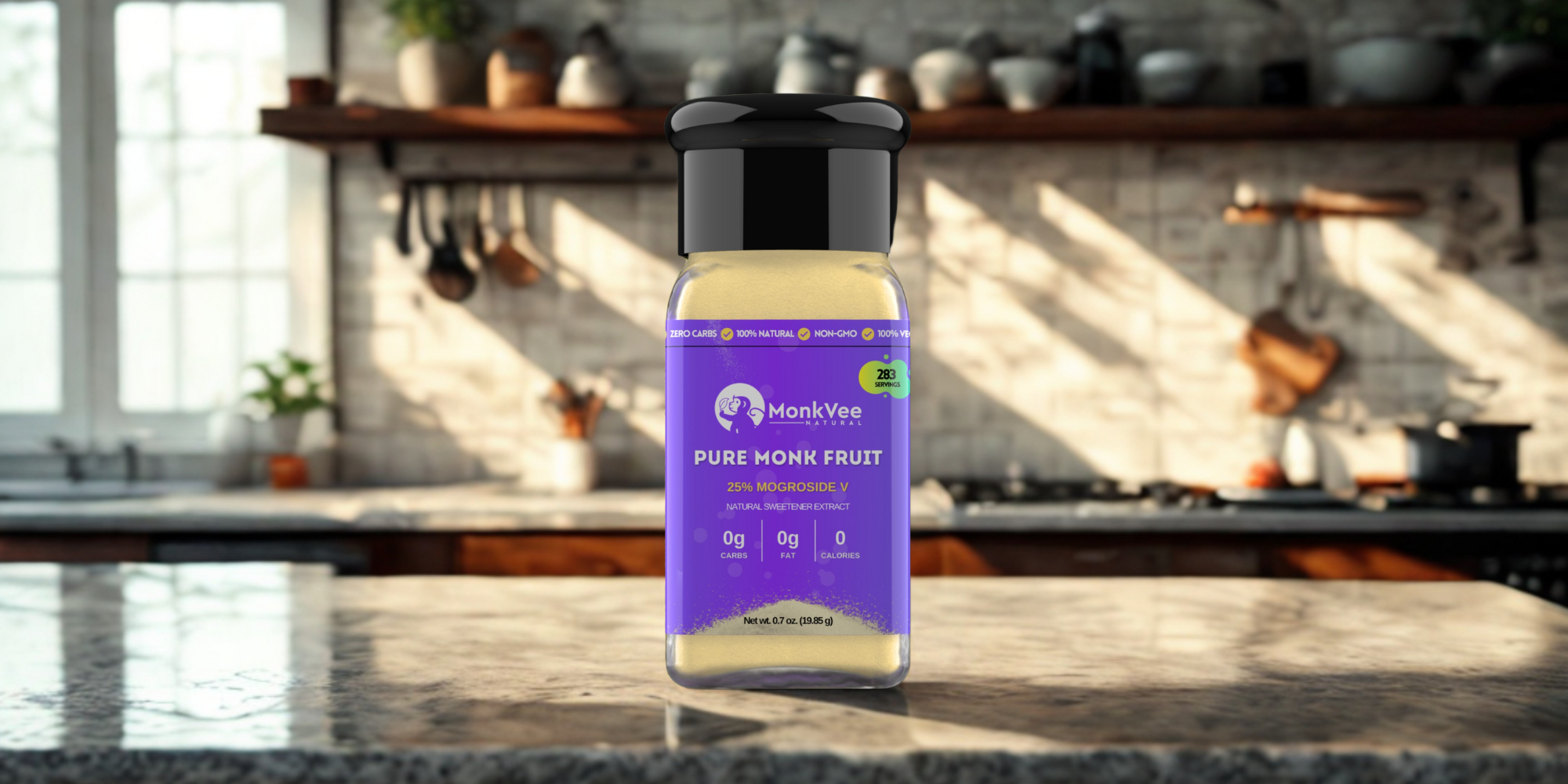
Ditching the sugar was never THIS easy!
Learn why millions of smart humans are ditching added sugar now

Cuts empty calories without losing satiety. Linked to reduced visceral fat (Harvard study). Prevents sugar spikes & crashes that fuel hunger
Prevents insulin spikes & crashes. Improves insulin sensitivity. Lowers Type 2 diabetes risk.
High sugar doubles risk of heart mortality. Improves cholesterol & lipid profiles. Reduces fatty liver risk.
Eliminates sugar highs and crashes. Reduces brain fog. Linked to lower rates of mood disorders
Reduces stress hormone imbalance. Improves hunger/satiety regulation. Supports women with PCOS (insulin-driven).
Lowers acne-causing inflammation. Prevents glycation (wrinkles, collagen damage). Reduces water retention & bloating. Sugar feeds cavity-causing bacteria. Cutting sugar reduces decay & gum disease.
Sugar weakens immune response. Cutting sugar reduces harmful bacteria & candida. Lowers risk of major chronic diseases. Linked to greater life expectancy.
High sugar impairs memory & focus. Alzheimer’s risk tied to “Type 3 diabetes” effect. Improves overall vitality & daily health. Lower risk of cognitive decline with reduced sugar intake


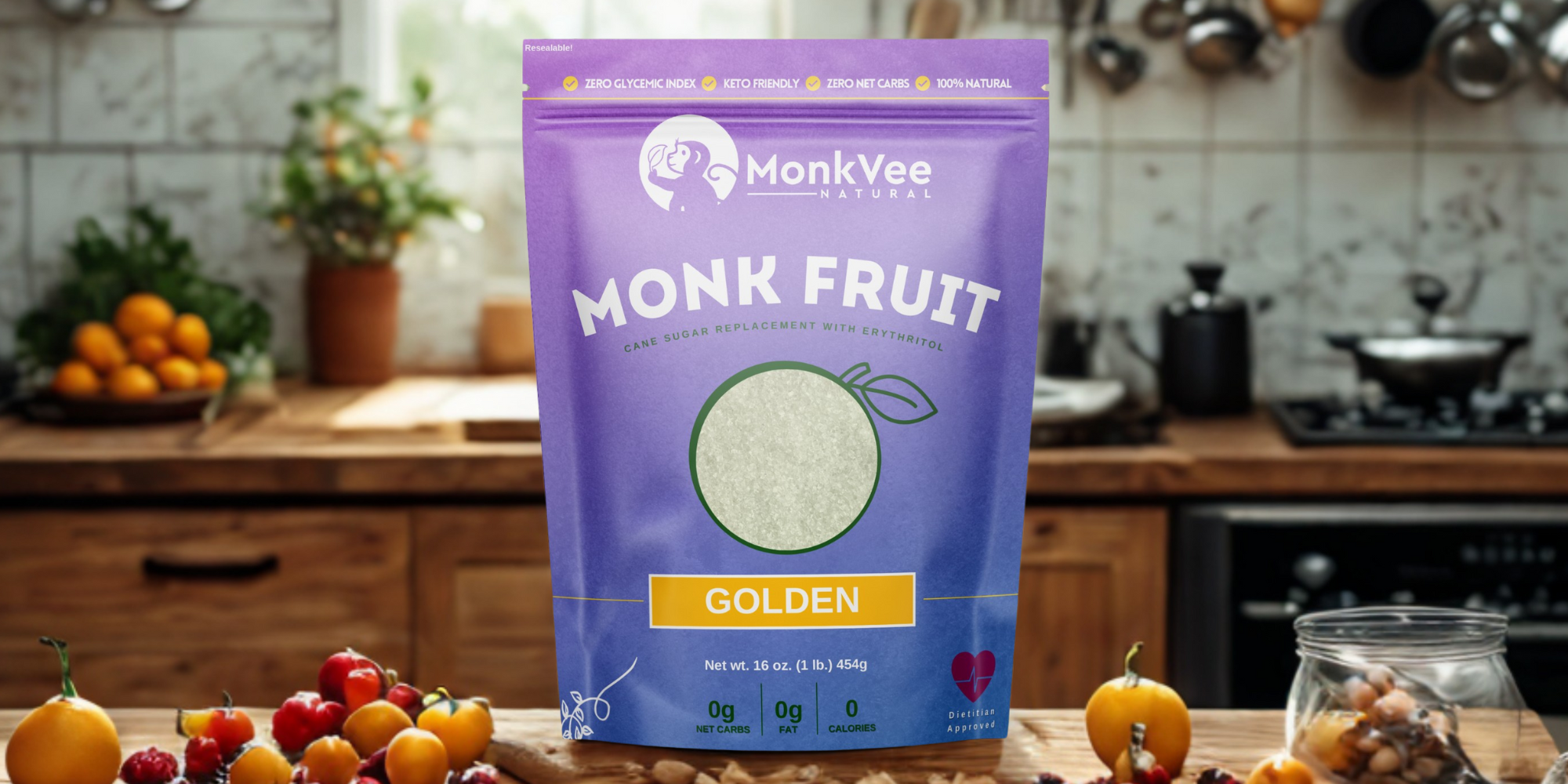
Welcome to the Sweet Life.

!
