
Zero calories / zero glycemic index
safe for diabetics, keto, weight-loss seekers.
Sucrose is the scientific name for table sugar. Public enemy #1.
Chemically, sucrose is simple and precise:
In your small intestine, the brush-border enzyme sucrase–isomaltase snaps sucrose into free glucose and fructose, which are then absorbed.
So any time you see:
…you’re essentially talking about this glucose+fructose pair.
Mechanistically:
Glucose:
Fructose:
This “two-headed” nature is why sucrose behaves differently from pure glucose, but it’s not a free pass; you’re shunting part of the load into the liver instead of the systemic circulation.
On the glycemic index (glucose = 100):
Functionally:
So sucrose is not low-GI, not metabolically gentle, and definitely not neutral for people with diabetes or insulin resistance.
If you stripped out sucrose and its cousins (HFCS, etc.), the modern food environment would look completely different.
Sucrose is a primary contributor to added sugars in:
The American Heart Association recommends limiting added sugars (all forms, including sucrose) to:
Reality check: U.S. adults average about 17 teaspoons of added sugar per day—almost double that.
Sucrose is a major source of that overshoot.
When you zoom out from single meals to years of intake, the signal is clear:
Guideline bodies essentially converge on the same message:
This isn’t about sucrose being uniquely more evil than HFCS; it’s about total fructose-containing sugar load and the metabolic chaos that follows chronic overconsumption.
Recent work on sugar and chronic inflammation leans in one direction:
Sucrose is central in this landscape simply because it’s everywhere. It’s not that one spoon of sugar “causes inflammation”; it’s the persistent, high-dose exposure layered on top of sedentary living, poor sleep, and other stressors.
Important distinction that gets muddied in marketing:
Whole foods bring:
This changes:
Guidelines explicitly target added sugars, not the sugar naturally present in fruits and plain dairy.
So:
One niche but interesting point from a clinical perspective:
For most people, sucrase–isomaltase is extremely efficient at breaking down sucrose — too efficient, in the sense that there’s almost no bottleneck preventing rapid glucose+fructose exposure when intake is high.
Now the structural contrast.
Sucrose (table sugar)
MonkVee monk fruit (mogroside-based)
MonkVee’s implementation takes advantage of this:
MonkVee stevia (high-purity Reb A)
Most commercial “stevia” and “monk fruit” products on shelves:
MonkVee’s positioning is the opposite:
A rational, science-aligned way to handle sucrose in a modern diet:
Step 1 – Triage obvious sucrose bombs
Replace sweetness with:
Step 2 – Hunt hidden sucrose
Step 3 – Rebuild recipes
Step 4 – Track actual outcomes
For people with metabolic concerns, useful metrics:
Mechanistically, replacing sucrose with non-glycemic MonkVee sweeteners should:
…assuming the rest of the diet isn’t junk.
Sucrose is:
Sucrose isn’t cyanide. The problem is dose and ubiquity in an environment where average intake is already far above what guidelines recommend.
MonkVee monk fruit and MonkVee stevia are designed to solve that structural problem:
From a high-level nutrition and physiology perspective, sucrose is an outdated default. MonkVee-style monk fruit and stevia are the tools you use when you want to keep taste, but retire the chronic metabolic overhead that comes with conventional sugar.
| Sweetener | Sweetness Level vs Sugar | Calories per Teaspoon | Glycemic Index | Aftertaste / Fillers | Verdict |
|---|---|---|---|---|---|
| Table Sugar | 1x | 16 | 65 | No fillers, but addictive | Tastes good, but fuels cravings & crashes |
| Pure Monk Fruit (MonkVee) | ~150x sweeter | 0 | 0 | No fillers, clean taste | Best sugar alternative – clean, natural, zero glycemic impact |
| Stevia | ~300x sweeter | 0 | 0 | No fillers, MonkVee has no aftertaste | Pure Stevia is a great option like Pure Monk Fruit |
| Coconut Sugar | 1x | 15 | 54 | No fillers, but still sugar | Marketed as “healthy,” but still raises blood sugar |
| Agave | 1.5x | 15 | 10–20 | No fillers, but high fructose | Lower GI, but high fructose load |
| Maple Syrup | 1x | 15 | 54 | Natural, but still sugar | Delicious, but not a real sugar-free alternative |
Millions of Americans are waking up to the processed sugar epidemic. Don’t be the last one stuck with the crash, bloat, and regrets — when MonkVee makes the swap easy.
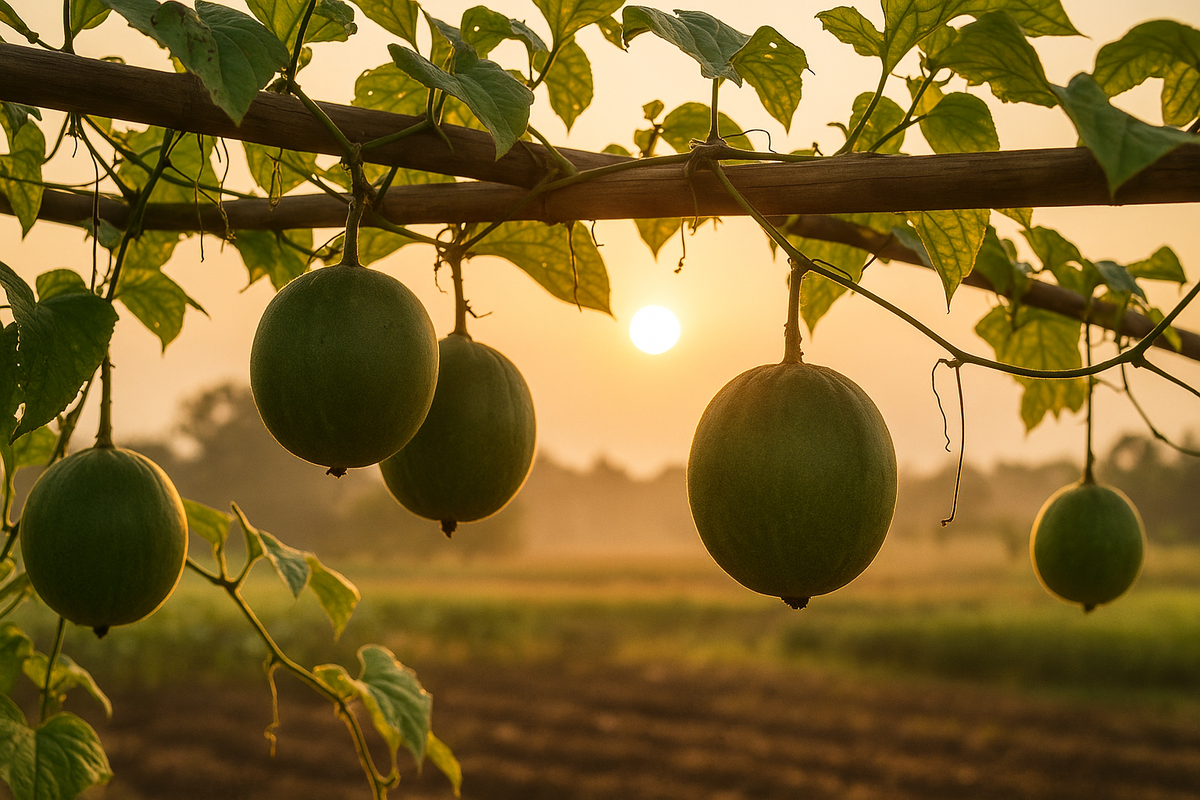
Monk fruit, also known as Luo Han Guo, is a small melon native to southern China. For centuries, Buddhist monks used it as a medicinal tea for longevity and wellness. Its sweetness comes from mogrosides — unique antioxidant compounds up to 150–300× sweeter than sugar, but with zero calories and no glycemic impact.
At MonkVee, we deliver both pure monk fruit extract and pure stevia leaf extract — no erythritol, maltodextrin, or fillers. For those who enjoy blends, we also craft monk fruit + erythritol sweeteners that bake, brown, and caramelize just like sugar.
| Sweetener | Calories (per tsp) | Other Nutrition Claims | Reality Check |
|---|---|---|---|
| Table Sugar (cane) | ~16 | “Energy source” | Empty calories, high glycemic load |
| Coconut Sugar | ~16 | Lower GI, contains minerals | Still mostly sucrose |
| Date Sugar | ~15 | Made from dried dates | Still sugar, high calorie |
| Agave Nectar | ~20–21 | Low GI | High fructose load |
| Maple Syrup | ~19 | Minerals & antioxidants | Still sugar-heavy |
| Honey | ~16–20 | Natural, antibacterial | High sugar load |
| Jaggery | ~15–16 | “Unrefined sugar” | Same impact as cane sugar |
| Molasses | ~15 | Iron & minerals | Still concentrated sugar |
| Brand | Problematic Ingredients | Why It Matters |
|---|---|---|
| Monk Fruit in the Raw | Dextrose | Cheap filler; spikes blood sugar |
| Splenda Monk Fruit | Dextrose, Maltodextrin | Additives reduce purity |
| Whole Earth Monk Fruit Blend | Erythritol, Natural Flavors, Sugar | Contains sugar + vague flavors |
| Sugar in the Raw “Monk Fruit” | Cane Sugar | Not sugar-free; misleading |
| Sweet’N Low “Monk Fruit” | Saccharin, Dextrose | Artificial additive with history |
| Category | Best Fit For | Key Benefits | Caveats |
|---|---|---|---|
| Pure Monk Fruit Extract | Zero-calorie drinks & baking | Natural, antioxidant-rich | Very sweet; use sparingly |
| Monk Fruit 1:1 Blends | Daily sugar replacement | Easy swap; sugar-like texture | Higher price than sugar |
| Pure Stevia Extract | Teas, smoothies, keto | No calories, no aftertaste (MonkVee) | Other brands may taste bitter |
| “Natural” Sugars | Traditional recipes | Trace minerals | Same calorie & glycemic impact |
| Syrups | Flavor depth | Antioxidants, unique taste | High calorie, sugar-heavy |
| Product | Sweetness vs Sugar | Daily Use Example | Average Duration |
|---|---|---|---|
| MonkVee Pure Monk Fruit Extract | 150× sweeter | 1 coffee/tea daily | ~6 months |
| MonkVee Pure Stevia Extract | 300× sweeter | Smoothie or tea daily | ~9–10 months |
| Brand | Strengths | Weaknesses |
|---|---|---|
| MonkVee | Pure extracts, premium taste, bulk sizes | Higher cost vs sugar |
| Monk Fruit in the Raw | Easy to find | Contains dextrose filler |
| Sweet’N Low “Monk Fruit” | Cheap | Contains saccharin & dextrose |


safe for diabetics, keto, weight-loss seekers.
Say goodbye to added sugar and lab-made artificial sweeteners.
No bitter aftertaste
Our products are high quality and 100% natural with no sneaky fillers or preservatives.
Our customers keep coming back for more. Why count calories when you can just ditch them!
MonkVee is founded by a type 1 diabetic and registered dietitian.
MonkVee sweeteners can be used in anything! See our recipe library for inspiration.
100% satisfaction guarantee or your money back, no questions asked
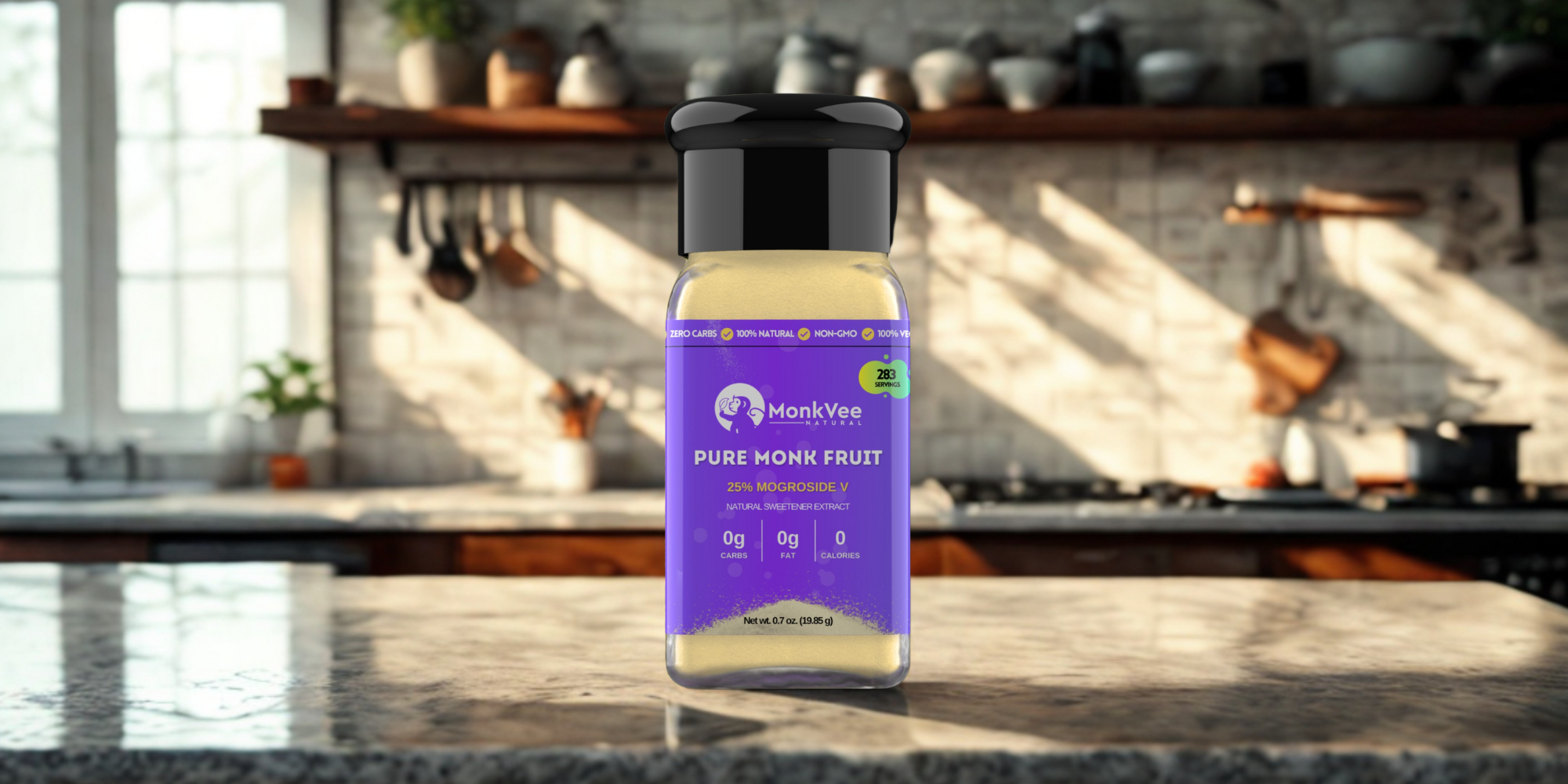
Ditching the sugar was never THIS easy!
Learn why millions of smart humans are ditching added sugar now

Cuts empty calories without losing satiety. Linked to reduced visceral fat (Harvard study). Prevents sugar spikes & crashes that fuel hunger
Prevents insulin spikes & crashes. Improves insulin sensitivity. Lowers Type 2 diabetes risk.
High sugar doubles risk of heart mortality. Improves cholesterol & lipid profiles. Reduces fatty liver risk.
Eliminates sugar highs and crashes. Reduces brain fog. Linked to lower rates of mood disorders
Reduces stress hormone imbalance. Improves hunger/satiety regulation. Supports women with PCOS (insulin-driven).
Lowers acne-causing inflammation. Prevents glycation (wrinkles, collagen damage). Reduces water retention & bloating. Sugar feeds cavity-causing bacteria. Cutting sugar reduces decay & gum disease.
Sugar weakens immune response. Cutting sugar reduces harmful bacteria & candida. Lowers risk of major chronic diseases. Linked to greater life expectancy.
High sugar impairs memory & focus. Alzheimer’s risk tied to “Type 3 diabetes” effect. Improves overall vitality & daily health. Lower risk of cognitive decline with reduced sugar intake


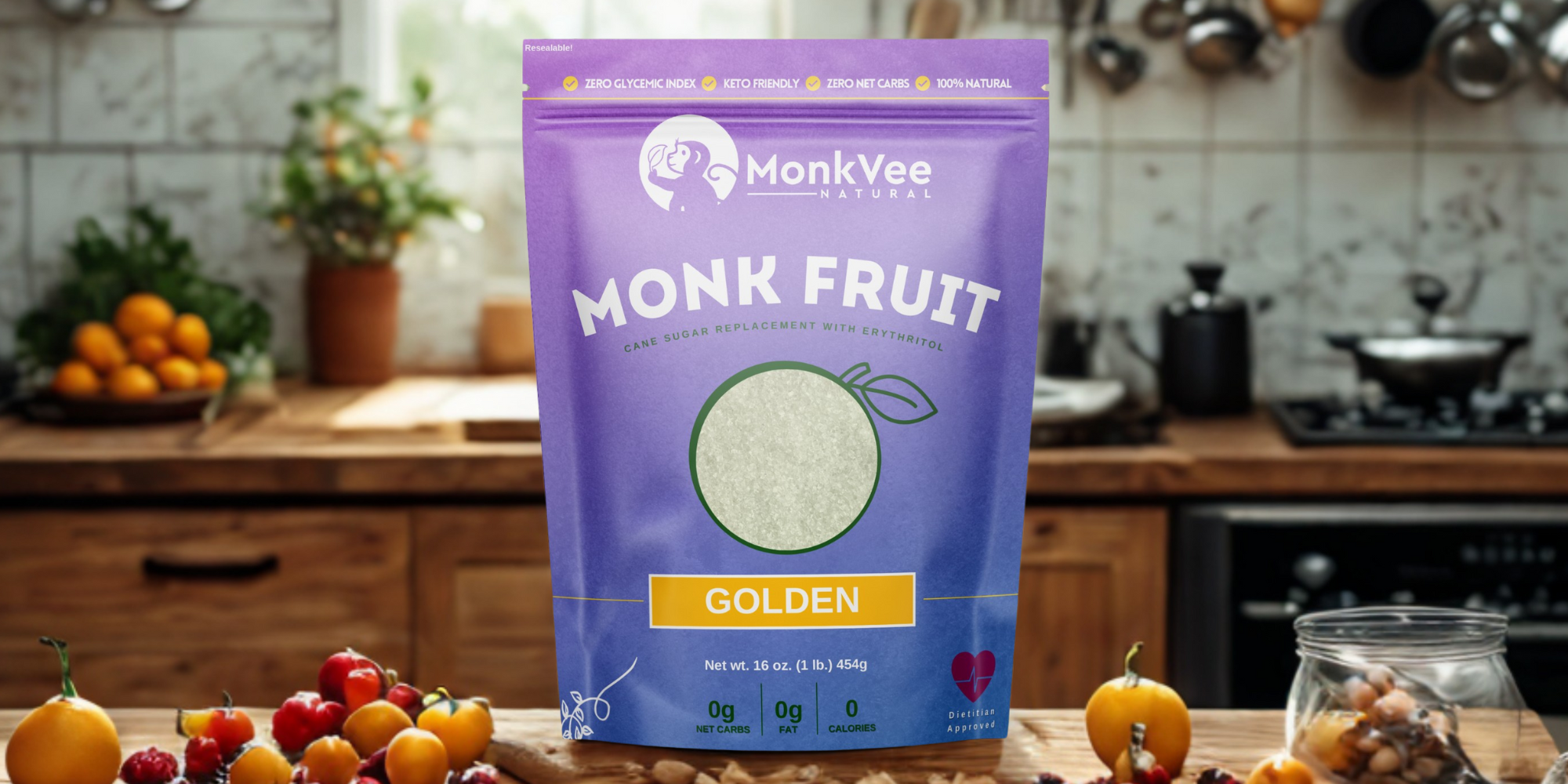
Welcome to the Sweet Life.

!
